



Ужасы нашего городка
Как устроена российская программа химического и биологического оружия
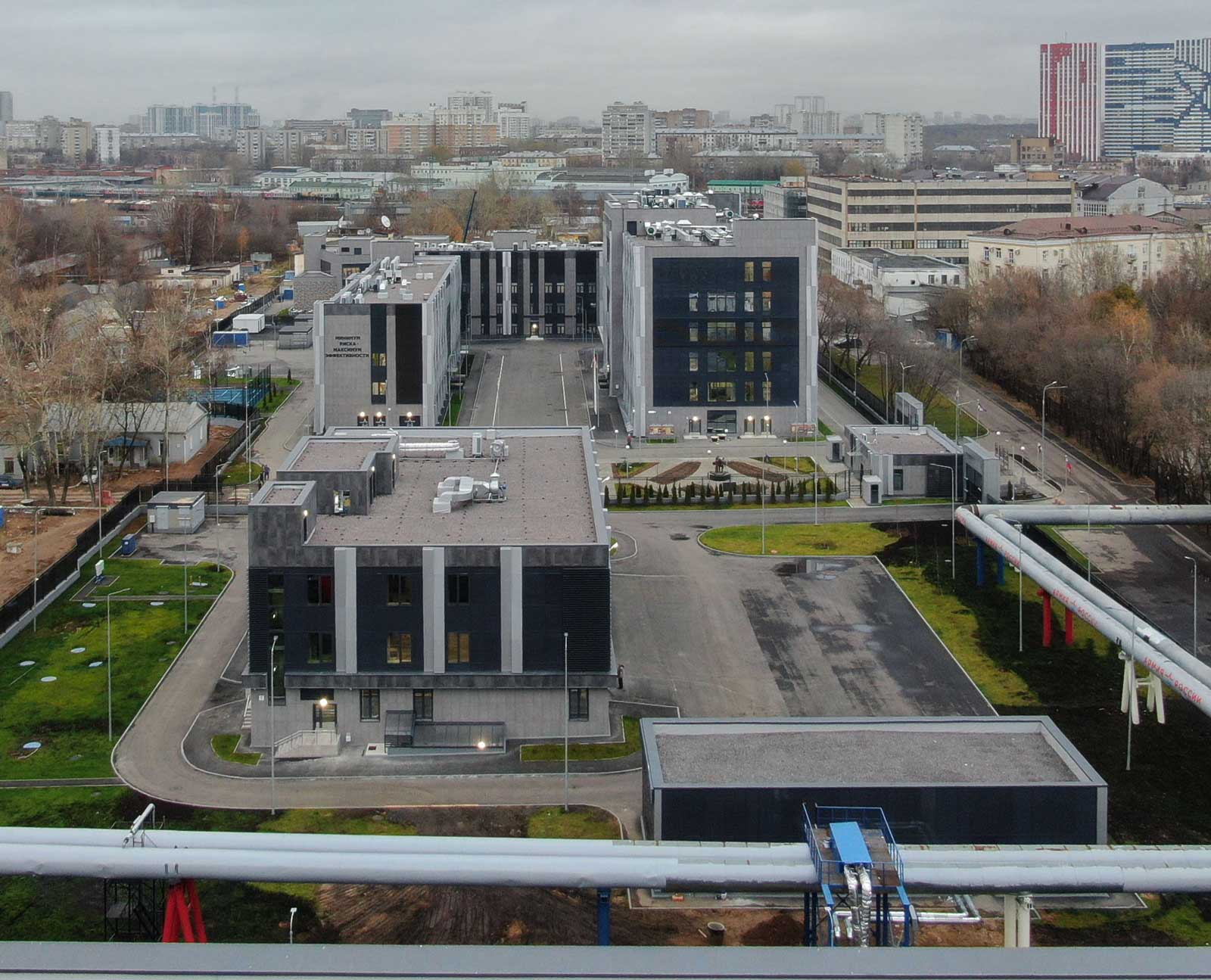
In 2021, on the site of crumbling Soviet-era buildings in a quiet lane near Moscow’s Aviamotornaya metro station, a modern Ministry of Defense complex rose in the signature style associated with former Deputy Defense Minister Timur Ivanov: black-and-gray panels and windows blacked out so completely you cannot see through them. This is the new complex of the 27th Scientific Center. It is a secretive institution that state television nevertheless talks about with pride, and a drone flyover of it was even published on the developer’s website. Today, according to departmental journals, the 27th Scientific Center serves as the lead institute shaping state policy in radiation, chemical, and biological safety.
It has another key role as well. The Center sits at the top of Russia’s biological and chemical weapons program. It is the 27th Scientific Center that supervises the other military institutes and semi-civilian agencies where toxic warfare agents are being developed.
For several years, the Dossier Center has investigated Russia’s biological and chemical weapons program. We obtained hundreds of documents — both publicly available and from sources familiar with the program — and assembled the most comprehensive picture to date of how these secret military institutions working on toxic agents, poisons, and other forms of unconventional weapons actually operate. This investigation shows what danger may be posed by a laboratory of synthetic peptides at the former site of the Soviet biological weapons program, why the Signal Research Institute, linked to the poisoning of Alexei Navalny, supplied dietary supplements to Olympic athletes, and which institutions within the program received new funding and were able to purchase Western equipment on the eve of the full-scale war.
“Other problems exist as well. These include the development of military biological weapons, and very large sums are being allocated for these purposes,” Security Council Secretary Nikolai Patrushev said in 2015. “At the same time, the number of laboratories subordinate to and run by the United States has increased twentyfold. This includes several laboratories under their supervision that operated and continue to operate on the territory of the CIS republics. So the problem is real.”
As Milton Leitenberg, the author of The Soviet Biological Weapons Program, explained to Dossier, Patrushev’s stories about biological laboratories in the CIS countries were a sleight of hand, since he was referring to former Soviet facilities in the union republics that Western countries had undertaken to convert into civilian disease research centers.
But by the late 2010s, such statements by people close to Vladimir Putin were appearing more and more often in public. Their apparent purpose was to justify restarting similar work inside Russia.
“The worst thing, once you have the Biological Weapons Convention, is a true allegation. The second worst is a false allegation.” Leitenberg says. “Why is that bad for the Convention? Because if you make a false allegation, you are undermining the international norm. You tell all the 190 signatories in the world that there’s some country out there who’s making and using this stuff, and they’re getting away with it.”
Words soon led to action. Around that very time, the Soviet-era program for studying chemical and biological weapons, long half-forgotten, got a fresh start. In 2016, Vladimir Putin signed a new strategy for developing radiation, chemical, and biological defense for troops and the population in both peacetime and wartime. And across most of the institutions involved in the program, as in the 27th Scientific Center, large-scale renovations began: old buildings were repaired and laboratories modernized. Until recently, only a narrow circle of employees had seen these facilities from the inside. Today, Dossier is telling the story of the 48th Central Research Institute of the Ministry of Defense, which handles biological research; the 33rd Central Scientific Research Testing Institute and the 27th Scientific Center, which are responsible for chemical weapons; and the Signal
On the morning of April 4, 1979, residents of Sverdlovsk’s southern districts began falling ill en masse with a high fever, cough, and nausea. What began as a routine day in local hospital admissions wards quickly turned into an emergency — there were so many patients that there was simply nowhere left to put them. Most of them were workers from the Sverdlovsk Ceramics Plant. Patients with these mysterious symptoms were dying in less than a day.
“I, as a senior physician, was on duty that terrible night,” Roza Gazieva, head of the admissions ward at Hospital No. 24, recalled. “They kept bringing people in. There was nowhere to place them, so they were laid out in the corridors. Some who felt a little better after first aid even tried to make it home on foot … But later they were found outside — people simply lost consciousness. And inside the building it was a disaster: first one man died, then another. A woman ended up in critical condition; I sent her to intensive care and gave her mouth-to-mouth resuscitation there. Useless. In short, four corpses in one night. I barely made it to morning. I was terrified — beyond words.”
A few days later, during the autopsy of one of the patients who, doctors believed, had died of an aneurysm, lesions caused by anthrax were found in the brain. Autopsies were then performed on people who had been diagnosed with “pneumonia” before dying. That is how it was confirmed that an anthrax outbreak had taken place in Sverdlovsk. The authorities and newspapers insisted that the source of infection was contaminated meat consumed by the victims. But rumors spread through the district: the dangerous disease had leaked into the city from Sverdlovsk-19, a closed town where USSR Ministry of Defense’s secret Research Institute of Bacterial Vaccine Preparations was located. Closed towns such as this were wide-spread in the Soviet Union during the Cold war. They were highly highly restricted settlements — often absent from maps — where access was tightly controlled because it housed sensitive military, nuclear, or defense-related facilities and personnel. Some of them remain closed to this day.
The anthrax epidemic took the lives of several dozen people, but it remained shrouded in secrecy right up to the collapse of the Soviet Union. Leading American scientists considered its connection to Sverdlovsk-19 doubtful, while the civilian leadership of Sverdlovsk Region could not get answers out of the military or the KGB.
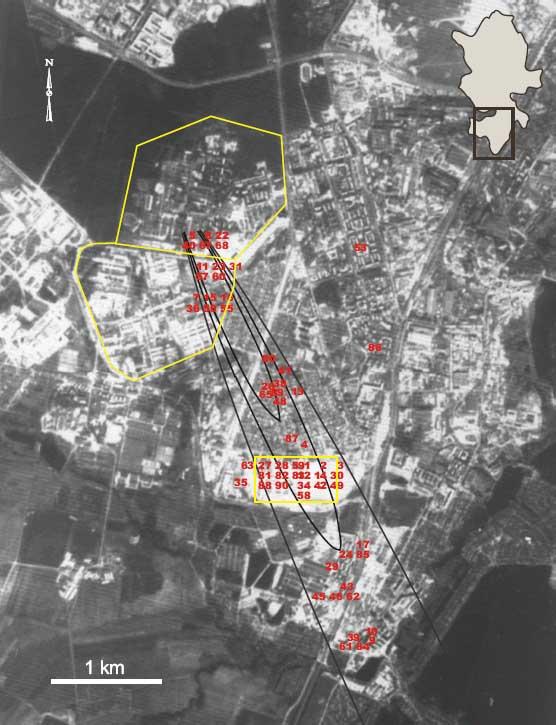
The truth only surfaced in the 1990s, when Boris Yeltsin, the man who had been running the Sverdlovsk regional party committee during the mysterious outbreak, came to lead the country. He publicly acknowledged the existence of the Soviet biological weapons program and declassified some of the documents, while those involved in the events began speaking openly to the press. As it turned out, a filter malfunction occurred in one of the buildings in the restricted military town where anthrax strains were stored, and a cloud of spores escaped. The wind that day was blowing toward Sverdlovsk’s Vtorchermet district and the ceramics plant, which is why its workers became the victims.
The Russian authorities allowed American scientists to conduct an investigation in Yekaterinburg (formerly Sverdlovsk) and even showed them victim lists and autopsy results. But that openness lasted only a couple of years. By 1995, Russian diplomats were already insisting that neither the USSR nor Russia had ever had biological weapons. Yet the compound in northern Yekaterinburg remained closed to outsiders. It is surrounded by a concrete fence, and the checkpoint is guarded by armed soldiers. Since biological research is still being conducted there to this day.
“Residents of the town, good evening to everyone! I want to draw your attention to your children and their activities. Today a boy was caught, together with his two accomplices, trying to break into the ventilation grille leading to the bomb shelter of Building No. 5 on Zvezdnaya Street. He was dressed in a full Young Army
Young Army Cadets National Movement ×
uniform, wearing a skulll-[patterned] balaclava, and had a digger patch. He was questioned by a juvenile affairs inspector, and now his family will have to compensate for the damage, simply because this is a 12 – 13-year-old kid. This gang had previously already forced the entrance open and carried off tools (a Patriot chainsaw, to be precise, and some other tools as well). So please pay attention to your children if items start appearing at home and you do not know where they found or ‘got’ them, because they are exposing not only themselves but also you, as parents, to the scrutiny and involvement of law enforcement. Thank you to everyone who reads this post, and have a good evening!”
The post has been slightly shortened, and spelling and punctuation have been somewhat revised. ×
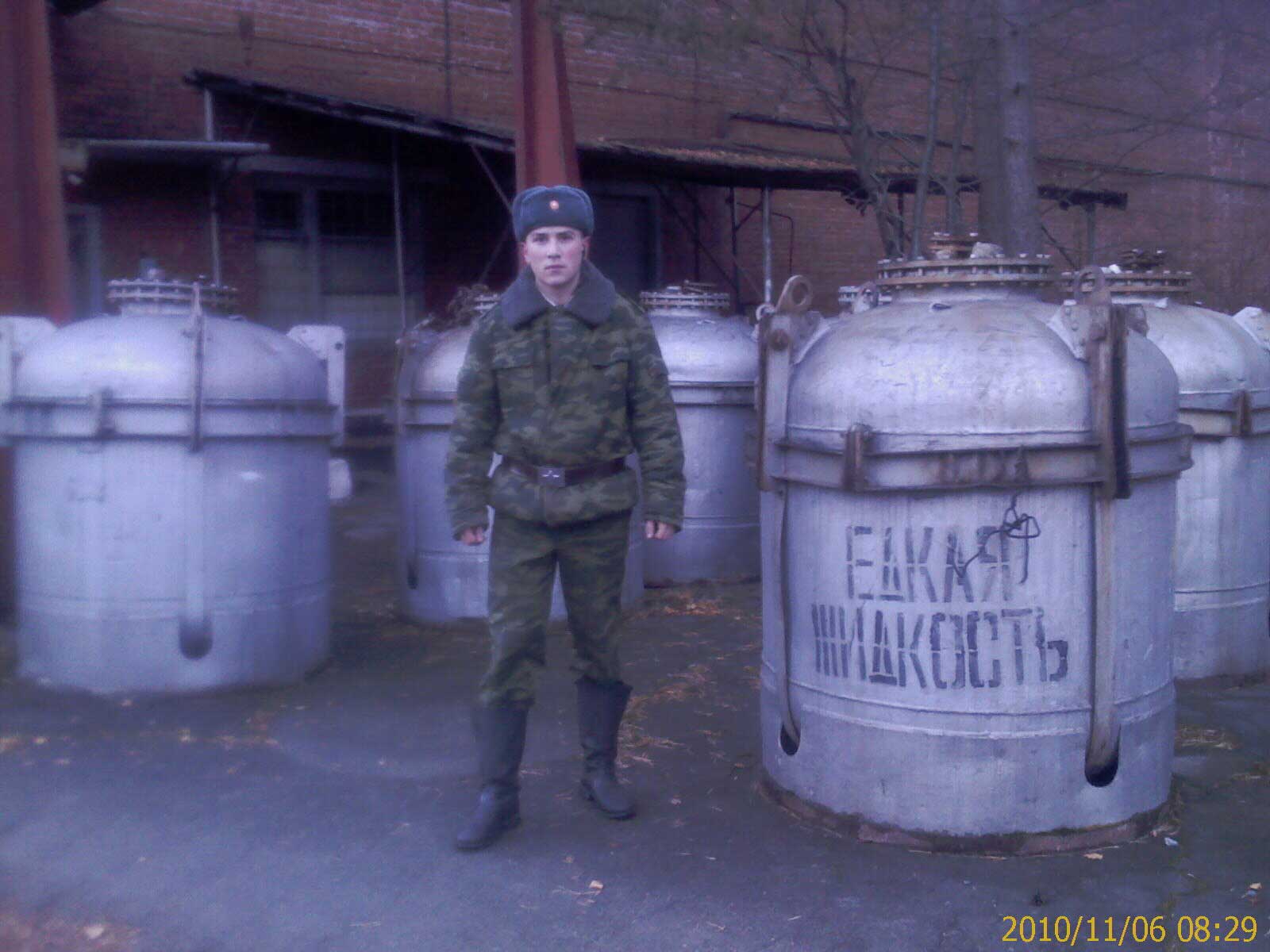
This is a post found in the Military Town-19 VK group. The group participant list is hidden, and most of the other posts are announcements for patriotic events and reposts of Yekaterinburg news. What happens on this two-square-kilometer territory ringed by a gray fence is a secret, but it is hard to keep one when several hundred people live inside the military town. At least 102 researchers work at the Yekaterinburg branch of the 48th Central Research Institute of the Ministry of Defense, Dossier calculated. They live there with their families, along with technical and maintenance staff, as well as conscript soldiers who guard the checkpoint and serve in the fire station and the local motor pool.
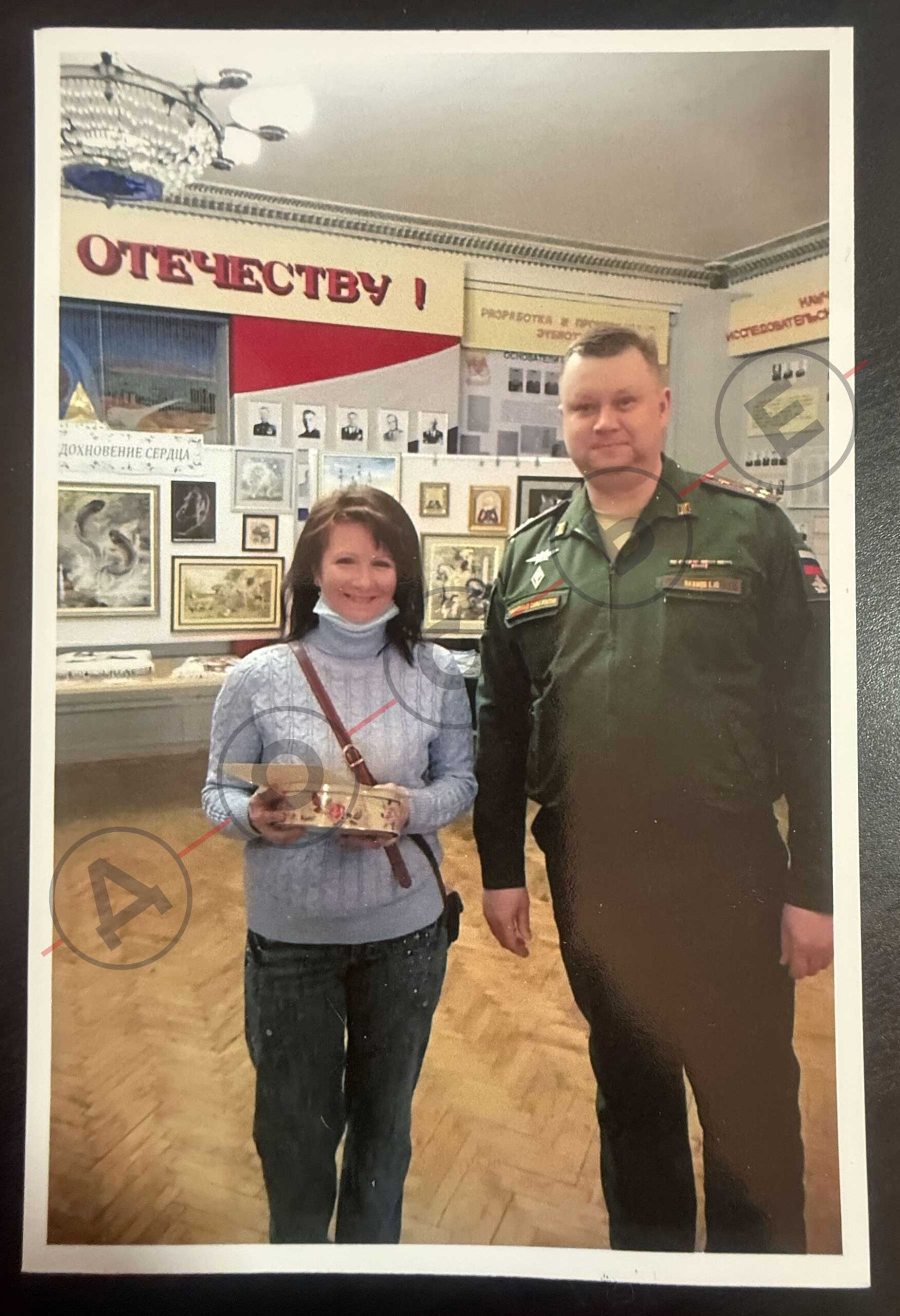
Since 2019, the Research Center of the 48th Central Research Institute in Yekaterinburg has been headed by Colonel Evgeny Vakhnov. Before being transferred to the Urals, Vakhnov served in Moscow on the staff of the then commander of Russia’s Troops of Radiological, Chemical and Biological Defence (RChBD), Igor Kirillov, in the biological defense department of the scientific development directorate.
This information is included in the commemorative publication
Radiological, Chemical, and Biological Defense Forces of the Armed Forces of the Russian Federation: 100 Years in Service ×
, which provided a detailed description of the structure of the RCBD forces.

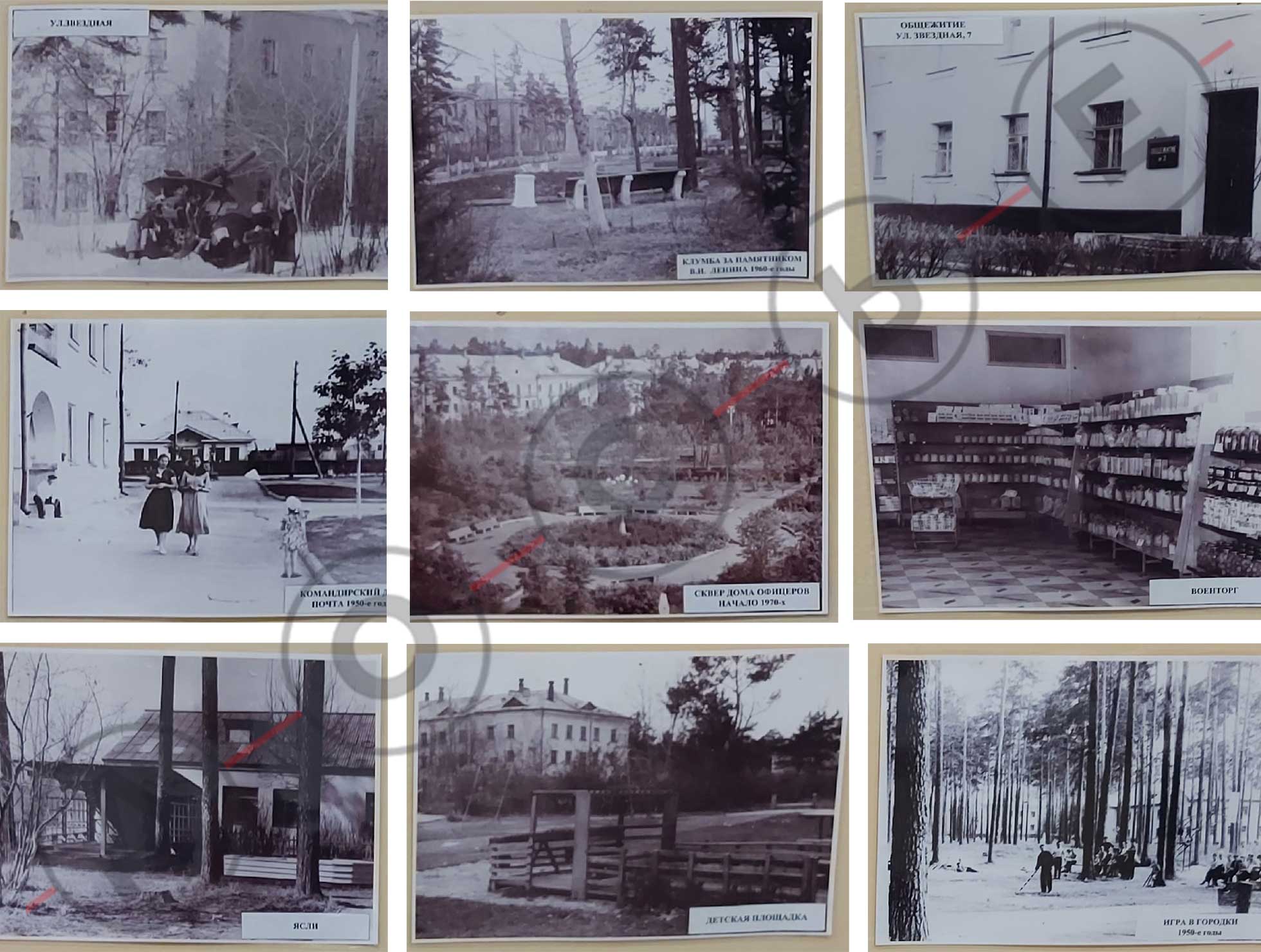
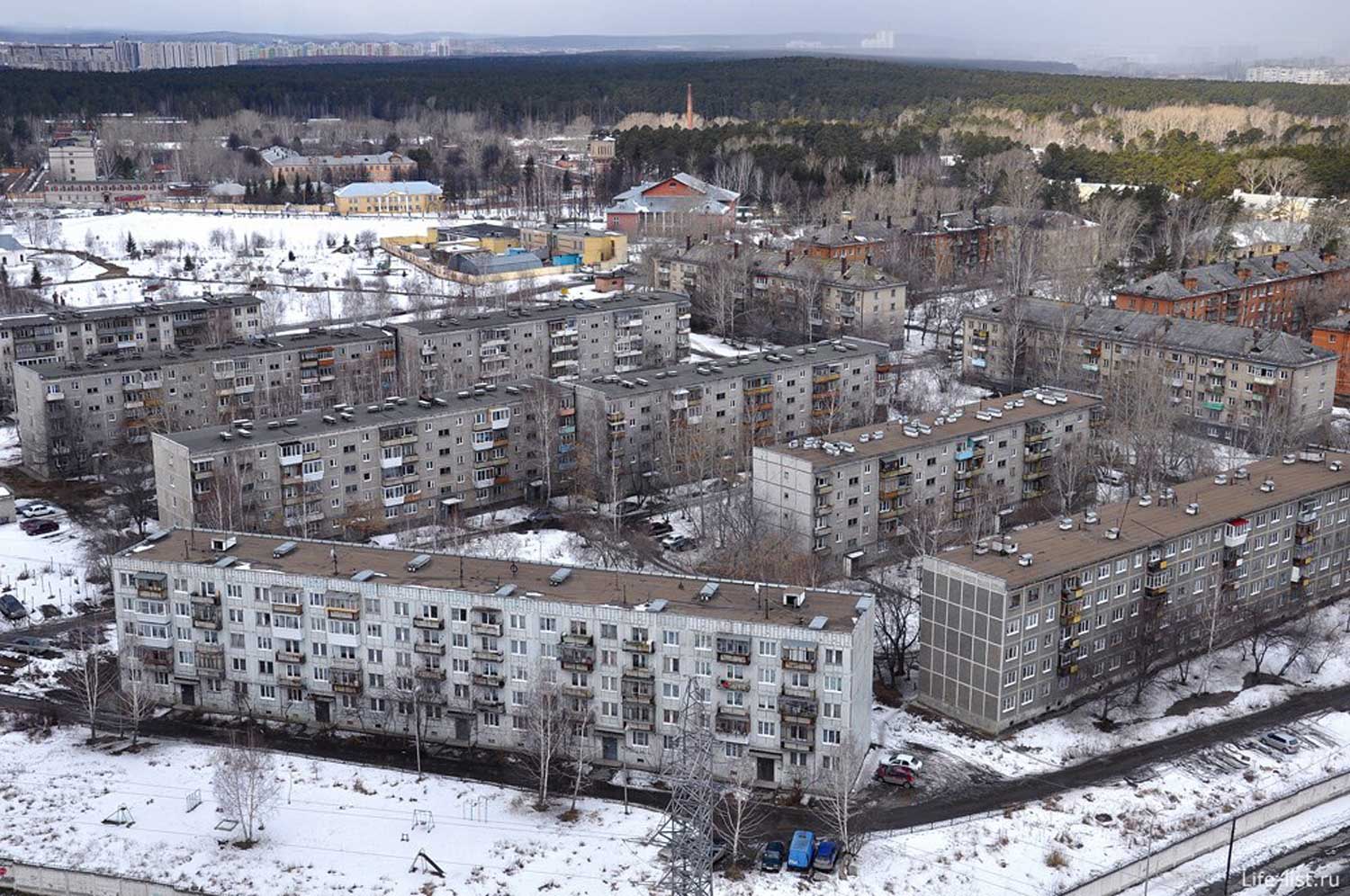
Officially, Military Town-19 is not a closed town but rather a city within a city. When it was built in 1949 “to solve tasks connected with ensuring biological protection for military personnel and the country’s population,” it was surrounded on all sides by forests. As Sverdlovsk expanded, industrial enterprises were built nearby — a fatal proximity for the ceramics plant workers who died of anthrax in 1979 — and now new apartment buildings have gone up right next to it, their residents able to watch life inside the Ministry of Defense’s secret facility from their windows. Inside the compound are a military hospital, an officers’ club where local entertainment events are held, a school, and a kindergarten. There used to be a small shop just for locals as well, but it has been closed for the past couple of years, residents complain in Google Maps reviews. Satellite images show rows of gray apartment blocks and workspaces hidden deeper inside.
It is difficult to discover what goes on inside the many hangars, laboratories, and technical facilities. Even so, we managed to get a glimpse inside some of the most restricted parts of the compound. As documents in Dossier’s possession suggest, the laboratories in Military Town-19 store and develop new strains of dangerous bacteria such as anthrax; study a range of other pathogenic microorganisms, including technophilic microorganisms, mycobacteria, phytopathogens, and spore-forming microorganisms; and work on new pathogens, including severe fungal infections and antibiotic-resistant anthrax strains, while also studying the possibilities for their aerobiological application.
“If we put it very simply, there is ‘primitive’ biological weaponry. It relies on ordinary natural pathogens: bacteria, viruses, toxins,” explains a Russian scientist who is well acquainted with the work of the 48th Central Research Institute. “Work on it began back in the late 1930s. We are talking about those very ‘classic’ infections: plague, cholera, anthrax, various viral diseases like smallpox or hemorrhagic fevers. We know at least something about all of that, which is why we fear it. Though, strictly speaking, there is no need — specialists have long understood how to fight these things and how to protect against them. The second generation, however, appeared with the development of genetic engineering, molecular biology, and biotechnology. These are so-called genetically modified pathogens, which were first created in laboratories from roughly the early 1980s onward. Such microorganisms are more resistant — including to antibiotics — and less responsive to changes in the environment.”
Formally, military institutes study such pathogens in order to better understand how to fight them. But at the same time, since the Soviet times, they were studying how to turn them into weapons.
“Part of the program that they had in the old days was to supply antibiotic resistance capabilities to your weapon agent — anthrax, tularemia, or melioidosis, doesn’t matter” says Milton Leitenberg, a specialist on the Soviet biological weapons program. “That was one of the basic goals of the 1972 – 1973 program, and they did it with anthrax in particular. And then that gets approved by the Ministry of Defense. The scientists don’t decide that. The generals decide that, or the colonels. Not the generals, the colonels. They become what’s called ‘type specified.’ The military says, ‘Okay, that works.’ That’s part of our arsenal. And they did that for 12 agents.
“In laboratories, antibiotic-resistant strains were successfully created for some organisms, though not all of them were ‘type specified’, tested as actual weapons. In the course of such tests, animals were placed at various distances a series of circles to see how far the animals get infected. Now they never get infected in an absolute circle, because when the bomb explodes, the wind will push it in a particular direction. So you have s what’s called a plume — a series of more or less cigar-shaped, elongated lines which show the concentration of the spore. Scientists use special devices — impingers — to capture spores from the air and determine what proportion of the agent remained viable after detonation, since up to 90 percent of the substance can be destroyed in an explosion. The scientists want to know how much was left that will infect and kill people. So they can figure out how good the bomb and the agent was. As for whether such tests continue today, there is no precise information.”
An additional danger lies in the Russian leadership’s belief that genetic or molecular weapons can be created and presumably that Russia should pursue such research and development. Ever since the late 2000s, Vladimir Putin has been highly sensitive about Russians’ biomaterials, fearing that the West might invent a way to selectively target representatives of specific genetic populations. As rumors had it, in 2007 the FSB presented him with a report claiming that biogenetic weapons were under development in the West. And institutions connected to the 48th Central Research Institute take that possibility seriously.
“The decoding of the human genome and current research into the proteome — that is, into how proteins are structured and how they function — together with the development of synthetic biology effectively bring us to a new stage. Especially if one takes into account that biotechnological research today is being carried out by a wide variety of actors and is not always under full control. Formally, international restrictions may not be violated, but these fields themselves clearly move us closer to the emergence of the next level of biological weapons — so-called molecular weapons,” one participant in the program explained in a memo to Defense Ministry leadership that Dossier reviewed.
“This would be an entirely different class of agents — artificially created on the basis of knowledge of the human genome and proteome. They are designed to act directly on biological processes at the molecular level. The expected effects include death, disability, nervous and mental disorders, debilitation (‘mankurtization’), and sterilization.
“At the same time, once such agents enter the body of a human or an animal, they are capable of reproducing and then being transmitted further. That is their key distinction from chemical substances. It is extremely difficult to stop this kind of spread: the damage is hard to detect immediately, and there may be no ready means of protection. What is more, the effects may not appear at once — at first everything passes unnoticed, and then the effect switches on at a certain moment.
“In theory, it is also possible to create variants that act selectively — for example, taking into account the genetic or other characteristics of specific groups of people. Nor would this be limited to the population: modern technologies make it possible to strike agriculture as well — animals and plants — which could seriously undermine the economy, especially given that many infections are common to both humans and animals.”
Genetic weapons capable of acting on specific ethnic or national groups remain a fantasy for now, but modern technology — artificial intelligence and supercomputers in particular — already allows scientists to select active compounds with a particular person’s genetic characteristics in mind, explains a biologist from Belarus who asked to remain anonymous. “Research of this kind is carried out every day for medical and biological purposes, and it is entirely possible that someone may also be interested in such questions for biological weapons.” Milton Leitenberg also believes the threat is real.
“One of the biggest people in biological weapons arms control once said that the worst thing will be if biological weapons are developed, which will affect people’s brains. That will be the most dangerous thing of all.
“If we talk about the mechanism, everything comes down to the genome — DNA, that spiral-shaped molecule. It contains sections that determine which amino acids are incorporated into proteins. There is a kind of four-letter code — combinations of chemical bases such as adenine, guanine, cytosine, and thymine — that determines which amino acid will be inserted into the molecule. It is this sequence that determines how a protein or enzyme will function. And enzymes are the basis of life itself: they enable virtually every process in the cell. Today we already know the functions of a vast number of genes. Many of them do not perform direct functions but regulate the switching on and off of other genes. So you can affect the on-off mechanisms. You can screw those up. Or you can screw up the configuration of the genes. And that means your cells won’t work. And, depending on which gene you play with, the cell won’t work in a different way”
It is similar work that is being carried out at the secret institute in Yekaterinburg. Dossier has established that in the late 2010s a new laboratory was launched in Military Town-19 at a cost of more than 214 million rubles (about $2.9 million at the 2021 exchange rate). It specializes in the synthesis of genetically modified bioregulators — in other words, peptides, substances that regulate various physiological processes inside the body. In animals, endogenous bioregulators include hormones, neuropeptides, and other molecules that regulate metabolism, immune response, and other vital functions. These substances play a key role in maintaining homeostasis and helping organisms adapt to changes in the environment.
“Peptides are small molecules made up of amino acids. If there are 80 or 60 or 120 amino acids, it is a peptide; if there are hundreds or thousands, then it is already a protein or an enzyme,” Leitenberg explains. “There’s a lot of them. And they control various physiological functions. Of course, someplace along the way, scientists interested in doing bad things thought of that too.
In biological agents and chemical weapons, there are lethal and non-lethal agents. The lethal chemicals are supposed to kill you right away, like cyanide or strychnine, but there’s non-lethal chemicals, such as mustard gas. Mostly. They’ll always be 2-5% of people that will die if they get too much of it in their lungs. But—mostly it’s non-lethal. These are called incapacitating. All right. And you have the same thing in biological agents. There’s lethal ones, like plague or smallpox and anthrax, and there’s non-lethal.
And for military purposes, you may be happy to have non-lethal agents and not just kill. Because non-lethal agents make more problems for the other side, Leitenberg continues, A dead body is a dead body, you just pile them up. But if you have non-lethal injuries, they have to be cared for. Now, that takes military personnel, non-military personnel, medical, nurses, takes facilities, hospitals, money, and energy? So people figured out, let’s do bioregulators for weapons. And that means you can screw up the physiology in various ways. Uh, either you’ll put them to sleep or they’ll have breathing difficulties. You can alter immune patterns too, but that’s not very useful for immediate military purposes. It’s just to screw up various bodily functions. The person can’t certainly be a soldier.
“In the Soviet period, I don’t think they actually weaponized any bioregulators. None of the twelve officially adopted agents were bioregulators. So the field is open”
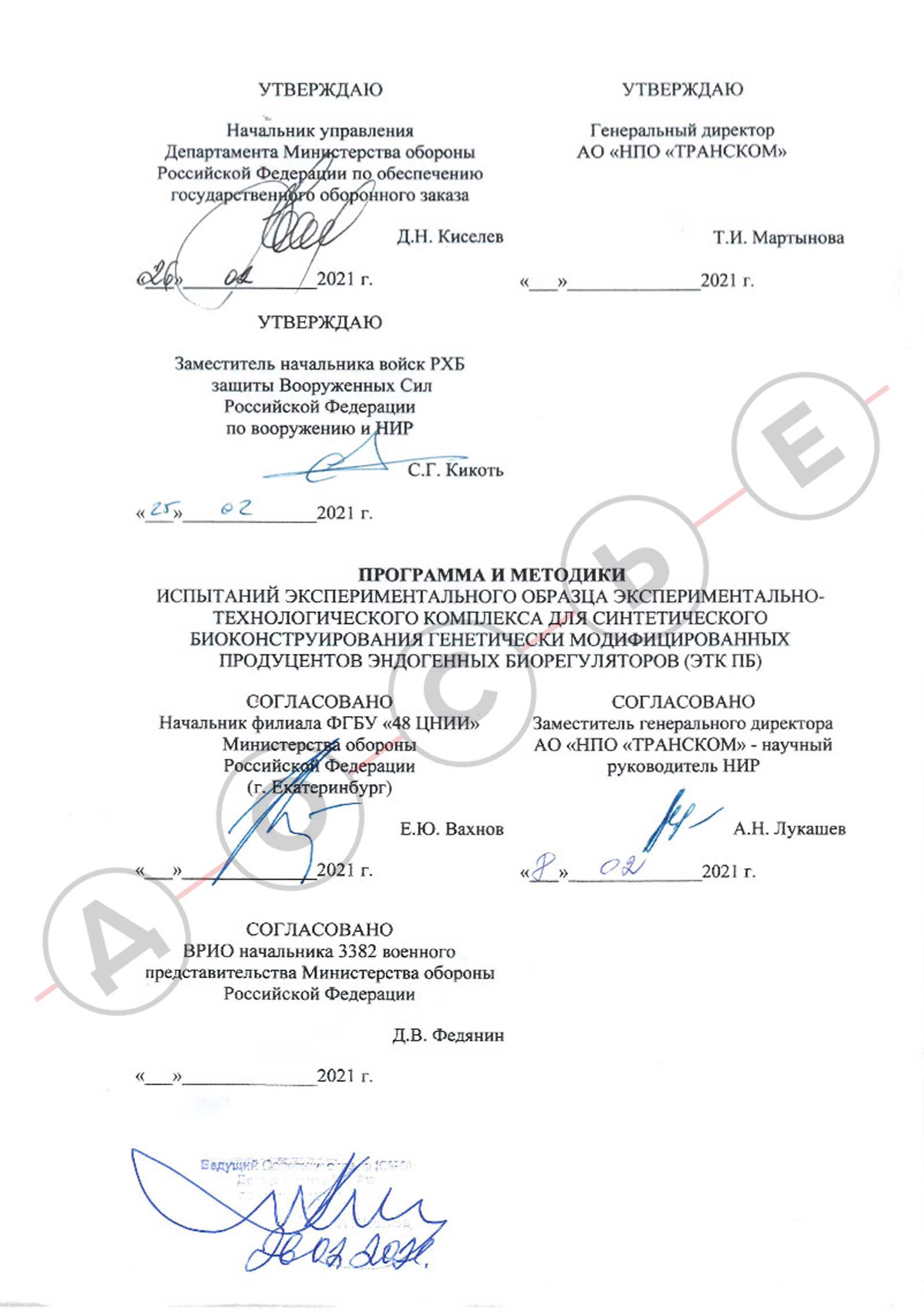
The documents related to the peptide laboratory in Military Town-19 describe the entire cycle — cloning, expression, scale-up in a fermenter, purification to high purity, lyophilization, and storage of synthetic human beta-endorphin. It is a universal technological pipeline suitable for any biologically active molecules of a similar class. Fermentation, obtaining gram-scale quantities, freeze-drying, and storage demonstrate that processes important for accumulation, transportation, and long-term storage of a bioproduct have been worked out. These technological skills can easily be transferred to other, potentially more dangerous molecules.
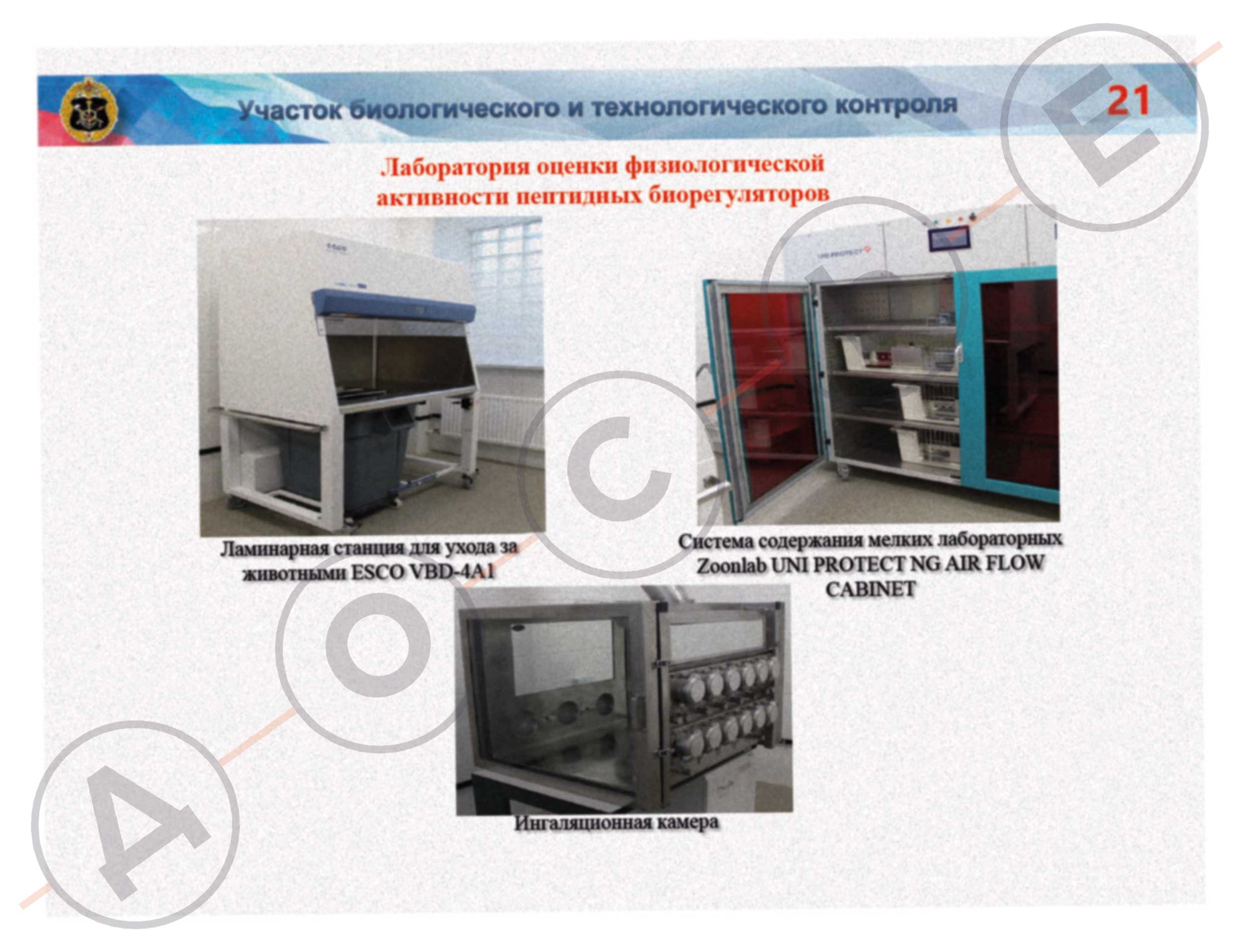
At the 48th Central Research Institute, the effects of these synthetic peptides are tested on laboratory animals that inhale them in special inhalation chambers where the substance is sprayed in aerosol form. The staff studied the most effective methods of aerosol delivery using different types of sprayers.
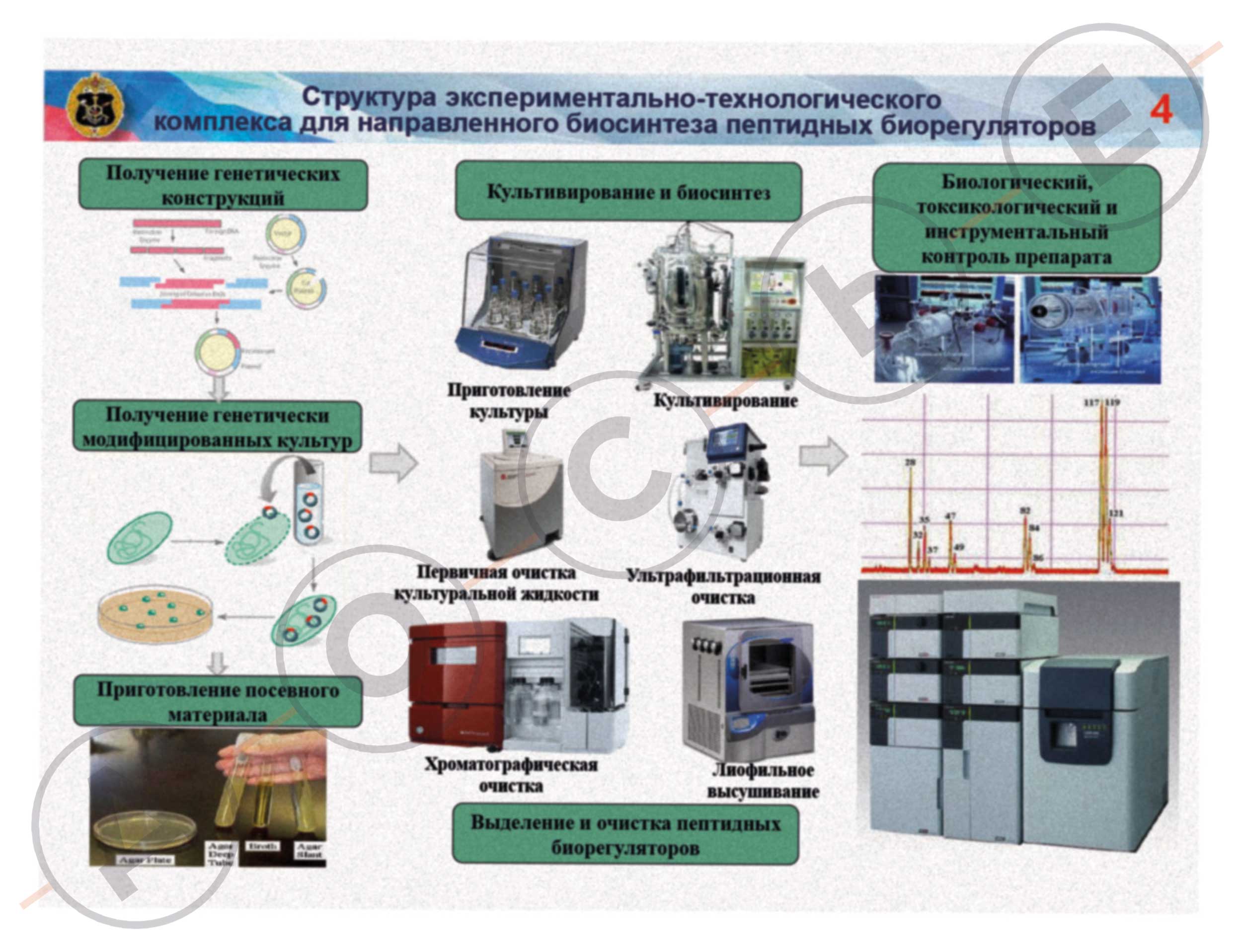
We showed the documents to the biologist we spoke with. At first glance, they describe a standard process for manufacturing, quality control, and toxicological studies. But there are two mysteries. The first is obvious: why would a secret military laboratory set up peptide production that already exists in dozens of civilian institutions? The second is that very inhalation chamber. “As pharmaceuticals, peptides are usually delivered either by injection or orally. Nobody sprays them as an aerosol.”
For civilian scientists, this route of peptide delivery makes little sense. For specialists in biological weapons, however, it has long been familiar.
“The problem is that a laboratory effect by itself means nothing,” Leitenberg says. “It is not enough to inject a substance into a mouse and see that it falls asleep. For military use, you need a delivery system — a munition or an aerosol system.”
The potential weaponization of peptides is deeply concerning. In the human body, they perform fundamental functions: they transmit signals between cells, regulate pain, mood, immune response, heart function, appetite, sleep, and many other processes. These molecules are part of the body’s internal ‘language system,’ which keeps all its functions coordinated. Peptides are capable of artificially enhancing or suppressing natural human responses — affecting a person’s condition, perception, resistance to stress, alertness, or decision-making ability. Because the body is accustomed to trusting its own signaling molecules, outside interference may go unnoticed: such substances do not necessarily cause acute symptoms, but can act covertly, and in a targeted way.
Their military value lies in their ability to impair a person’s readiness for action and disrupt their normal functioning. They may reduce attention; under their influence, a person may become slowed down, emotionally unstable, and experience problems with coordination or decision-making. Even moderate shifts in these parameters can temporarily reduce performance, impair reaction time, lower stress tolerance, or diminish the ability to withstand strain.
The danger is compounded by the fact that the external introduction of peptides can be masked as natural fluctuations in hormones and neurotransmitters. In theory, that could make their effects difficult to distinguish from fatigue, overload, or an ordinary physiological malfunction. As a result, any potential use could take the form of a covert disruption of functionality rather than an openly damaging strike. In addition, the scientist explains, natural human peptides can serve as a “Trojan horse” for more dangerous substances.
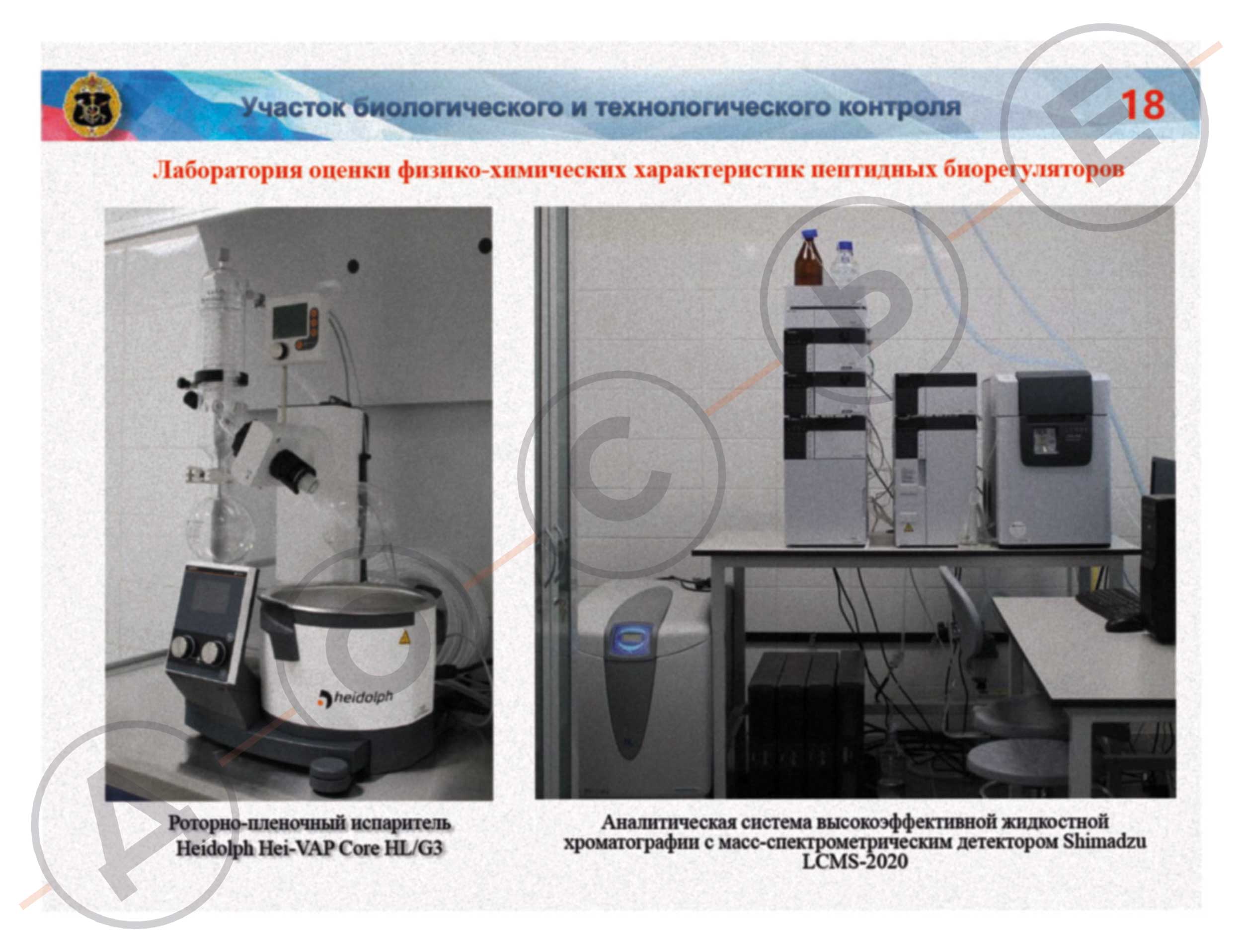
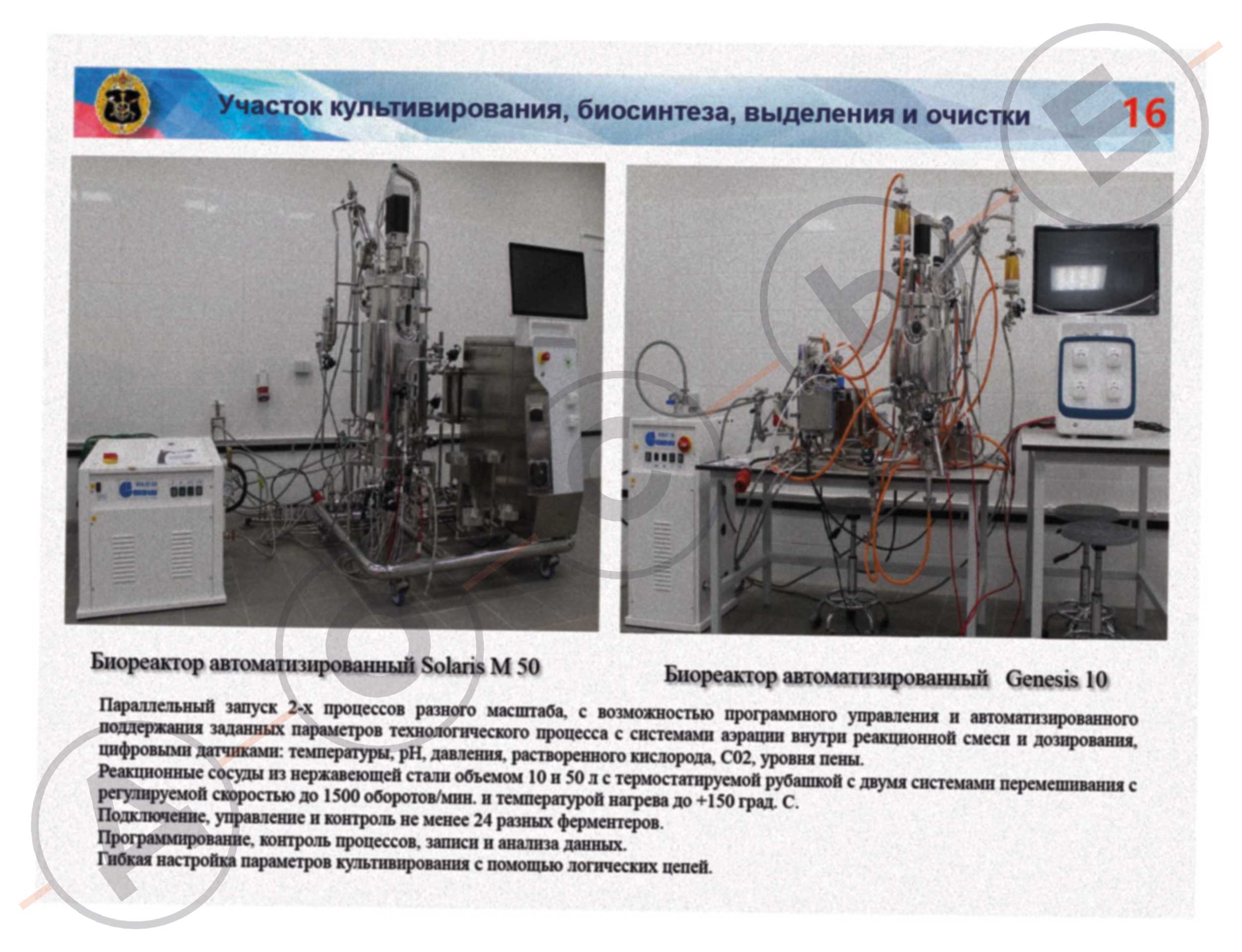
Dossier Center has learned what the secret peptide production facility looks like from the inside.
Equipment in the peptide laboratory of Military Town-19 // Dossier Center
The first thing that stands out is the sheer amount of foreign-made laboratory equipment. The branch of the 48th Central Research Institute in Yekaterinburg was able to keep purchasing it even after sanctions were imposed in 2014 on the export to Russia of military and dual-use goods. Some equipment had to be ordered through front companies or disguised as purchases for civilian institutions, such as Ural State Medical University. In other cases, after examining documents, Dossier determined that Western suppliers may well have suspected that the end recipient was the branch of the 48th Central Research Institute in Yekaterinburg — but raised no questions.
For example, the Genesis bioreactor shown above was manufactured by the Italian company Solaris Biotech; equipment of this kind can be found on European lists of dual-use goods. It arrived in Military Town-19 in 2020 with the help of the Russian company AlaMed, according to documents in Dossier’s possession. The Italian manufacturer not only shipped it to Yekaterinburg but also provided installation support. An AlaMed representative complained to the supplier that he could not contact Solaris Biotech directly during the installation because the work was taking place at “a restricted institute with no phone service.” Yet the Italians, evidently, felt no urge to find out what exactly this restricted institute in Yekaterinburg was.
In some cases, employees of the Russian branches of Western companies, such as Merck and Miele, worked directly with the military production site, supplying equipment that at the time did not fall under sanctions restrictions.
“The current level of development in biotechnology is such that a significant share of research in this field is essentially dual-use — that is, it can be used not only for peaceful purposes. The problem is that it is often extremely difficult, and sometimes impossible, to distinguish such work from ordinary scientific research,” says a scientist familiar with the Russian program.
“First, the programs themselves look like perfectly legitimate research and do not stand out from the broader scientific field in any way. Second, the methods and equipment being used are the same standard tools of modern molecular biology, genetic engineering, and biotechnology; in essence, almost any such technology can be considered ‘dual-use.’
“Third, everything required — equipment, materials, reagents — is freely available on the scientific equipment market. And finally, this kind of work does not require a large organizational structure: it can be carried out by a small group that gives no outward sign of what it is doing.”
Although hundreds of millions of rubles are being spent on these developments, the town itself remains run-down. An employee of the military production facility successfully held the institute liable for failing to pay compensation for hazardous work. Residents of the closed military town have also had to complain to the media about housing and utilities problems: “The infrastructure is in a deplorable state — nothing has been repaired since Soviet times, ruptures happen constantly, water trickles from the tap, and the walls are crumbling,” they said at a rally in 2021. Cosmetic repairs to public spaces in Military Town-19 are carried out by the residents themselves.
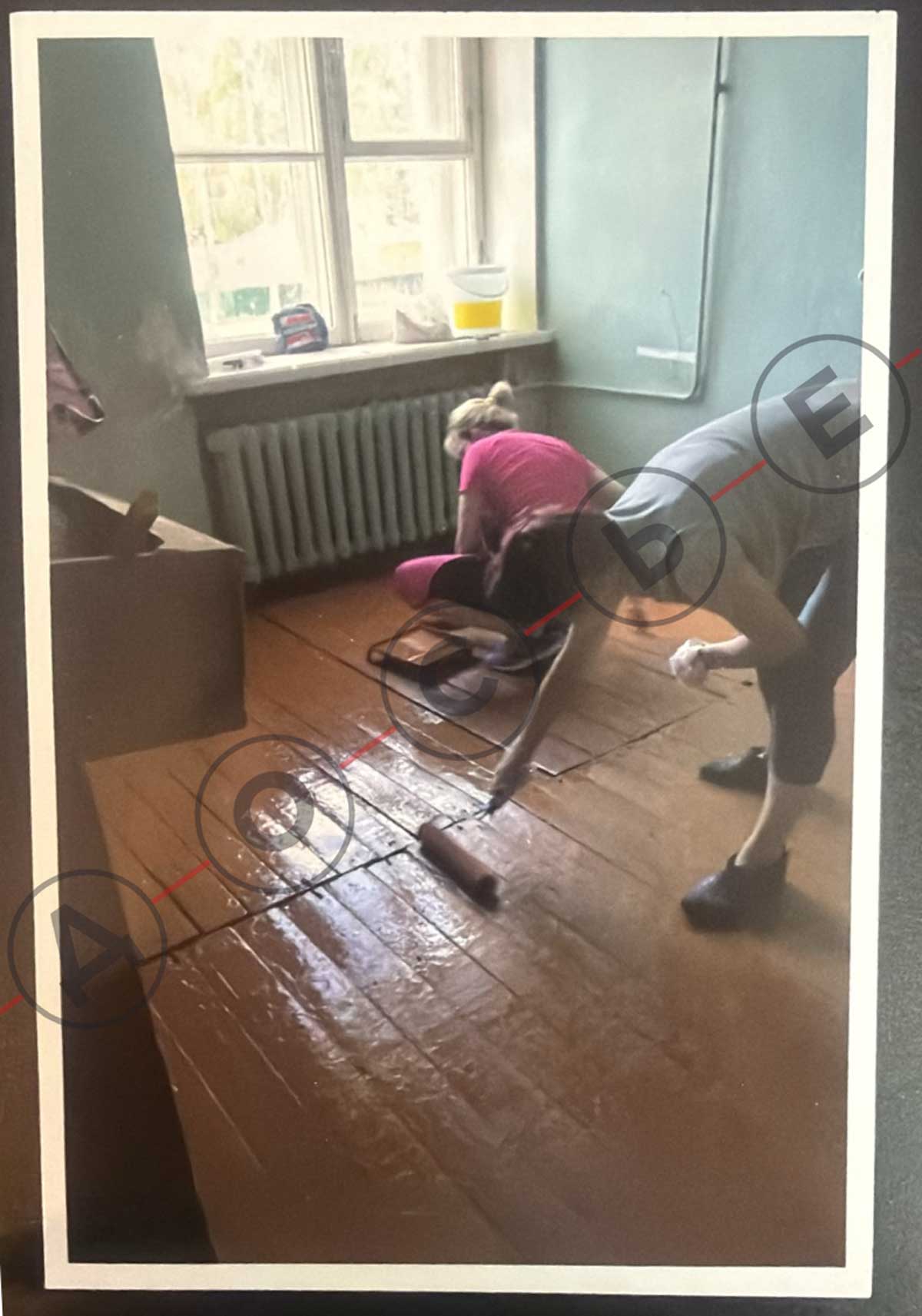
The surrounding districts suffer as well because of the military’s unwillingness to invest in infrastructure — Yekaterinburg’s city administration cannot repair the water pipes that pass beneath the closed town.
Robert Petersen of the Danish Centre for Biosecurity and Biopreparedness believes that while problems of this kind do not stop military researchers from working on biological weapons, they may still affect the scale and quality of what they produce. It also remains an open question how much of the declared modernization program was actually carried out and how much of it was consumed by corruption.
Matters are far better in Shikhany, in Saratov Region, home to another key site of the Russian chemical and biological program.
“And every time they replace the tube, every three to four months, they insert an endoscope through his nose and check the muscles of the nasopharynx. But they don’t really start moving. So the probability that they will recover is very small. In his nasopharynx, only those muscles that separate breathing through the nose and through the mouth are affected. When they block the tube, he can breathe a little through his nose, but he doesn’t get enough air.”
This is how Yulia Skripal described the condition of her father, former GRU officer Sergei Skripal, in 2020 — two years after the infamous Novichok poisoning in Salisbury, UK.
TheNovichok class nerve agent that was used to poison the Skripals and later Alexei Navalny was developed in the settlement of Shikhany in Saratov Region — one of the key centers of the Soviet, and later Russian, chemical weapons program. The poison of the Ecuadorian dart frog, epibatidine, which likely led to Navalny’s death in a penal colony in 2024, may also have been studied there.
Beginning in the mid-1920s, Shikhany hosted a joint Soviet–German program to develop chemical weapons in circumvention of the Treaty of Versailles. After Hitler came to power, relations between the two countries cooled, and in the summer of 1933 the partnership ended — the Germans returned home with movable equipment, while the Central Military Chemical Testing Ground continued to operate in Shikhany. In 1961, it was merged with the OSOAVIAKhIM Institute of Chemical Defense, which had been established in 1928. This is how the secret 33rd Central Scientific Research Testing Institute of the Ministry of Defense came into being in the closed town of Shikhany-2. A couple of kilometers away was the “civilian” town of Shikhany, also closed. Another secret enterprise operated there — a branch of the State Research Institute of Organic Chemistry and Technology (GosNIIOKhT). Nearby is Shikhany-4, where conscript soldiers guard the arsenal of the RCB protection troops, and a testing range.
Officially, these institutes were engaged in defense — studying toxic substances, developing countermeasures to chemical attacks, and designing filters, protective suits, and RCB protection methods. In reality, Shikhany became a place where expertise in some of the most dangerous chemical warfare agents of the 20th century was built up over decades.
After the collapse of the USSR, the 33rd Institute retained its personnel, infrastructure, and continuity with Soviet programs. Today, about 700 people work there
as indicated in the enterprise’s 2020 data sheet, which is available to Dossier ×
. The civilian GosNIIOKhT branch, by contrast, went through difficult times. Once a top secret facility, after the Chemical Weapons Convention was signed in 1993 it lost funding, salaries stopped being paid, employees staged protests and even hunger strikes. The institute unsuccessfully tried to secure at least part of the budget for destroying Soviet chemical weapons stockpiles — which it had once developed — but in the end it could only dismantle its own buildings and equipment. Up until 2019, articles continued to appear about mass layoffs and the impending closure of the enterprise.
The destruction of chemical weapons stockpiles and production equipment was the main formal reason why both the 33rd Institute and the GosNIIOKhT branch continued to operate after the collapse of the USSR. In September 2017, the OPCW announced that Russia had destroyed all such stockpiles, and a year later Putin issued a decree stripping the “civilian” Shikhany of its closed-territory status.
However, as Milton Leitenberg explains, the destruction of stockpiles did not mean the end of the program. The Organisation for the Prohibition of Chemical Weapons (OPCW)never claimed that all chemical weapons in the country had been eliminated — undeclared substances, including Novichok, were not part of that process.
Until 2019, it was not officially classified as a chemical weapon. ×
Any doubts about whether work on chemical weapons continued were dispelled in 2018, when Novichok was used to poison Skripal. In 2020, the secret military institute in Shikhany again found itself at the center of a poisoning scandal — this time involving the Russian opposition politician, Alexei Navalny. Members of the team involved in the attempted killing were in contact with the leadership of the 33rd Institute, and some had previously worked there. GosNIIOKhT, which had been on the brink of closure, also continued operations: in 2024, its 100th anniversary was celebrated in Shikhany. Judging by job postings on social media, the branch has been given a new lease on life — in January 2026 it was looking for dozens of employees, including a chief engineer, accountants, machinists, cutters, guards, and cleaners, with salaries ranging from 31,000 to 120,000 rubles — considerable by the standards of the Saratov area. Prospective employees are promised a bonus for working with hazardous and harmful substances. GosNIIOKhT continues to work closely with the 33rd Institute.
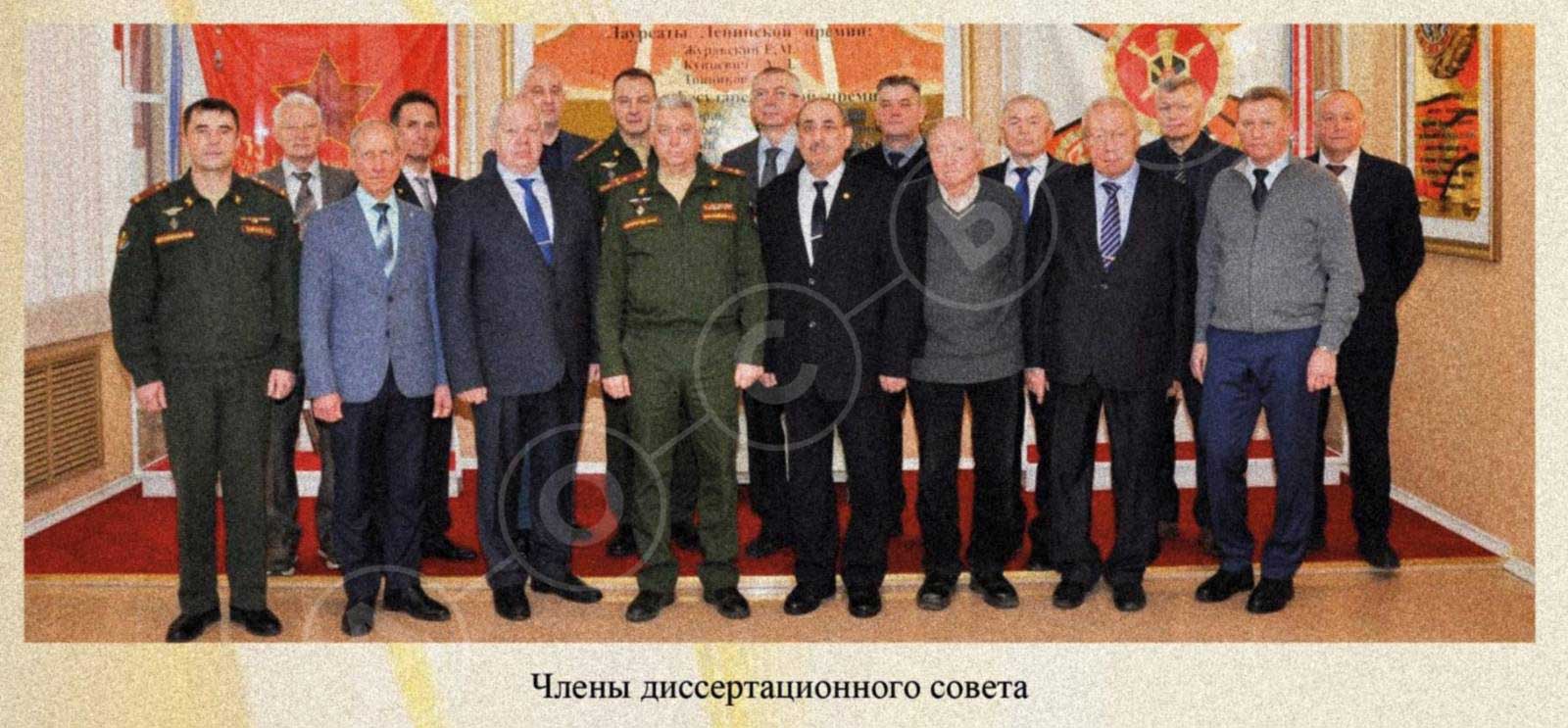
Access to the closed territory of the 33rd Institute is only possible through a checkpoint. However, judging by reviews on Yandex Maps, not only military personnel but also tourists are allowed in — those who want to spend the night in the reportedly run-down Rus hotel inside the compound. The hotel café is a popular place for celebrations among institute staff.
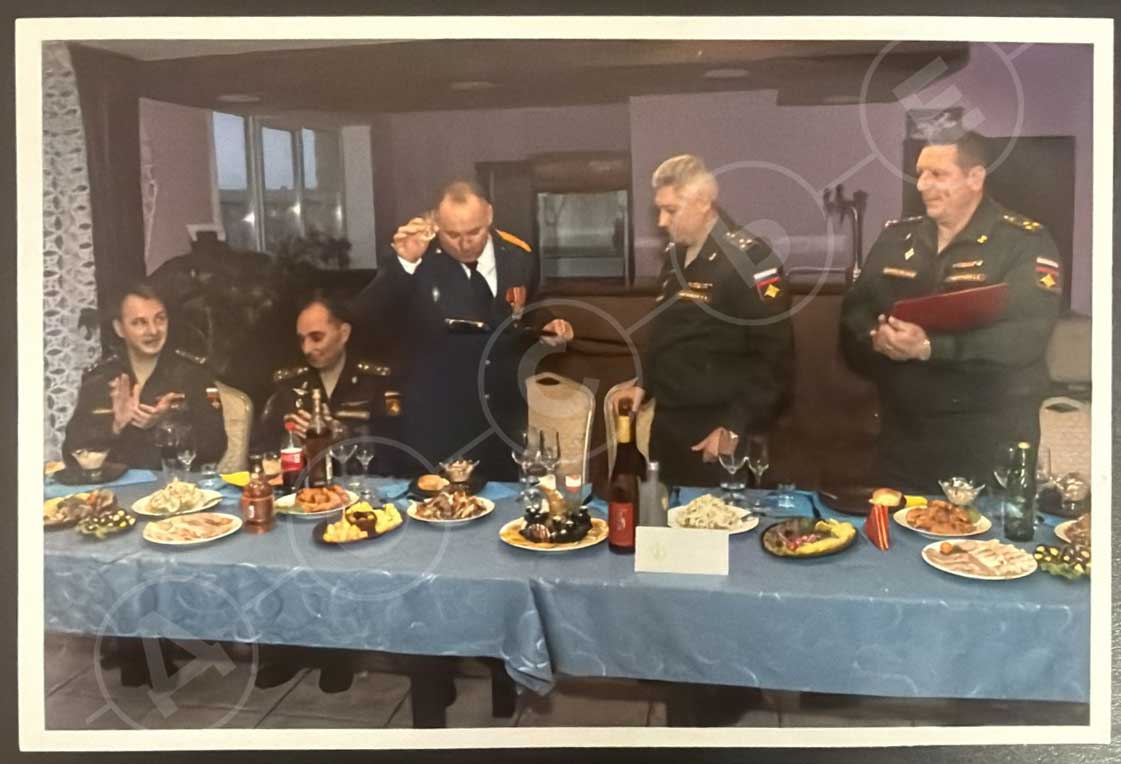
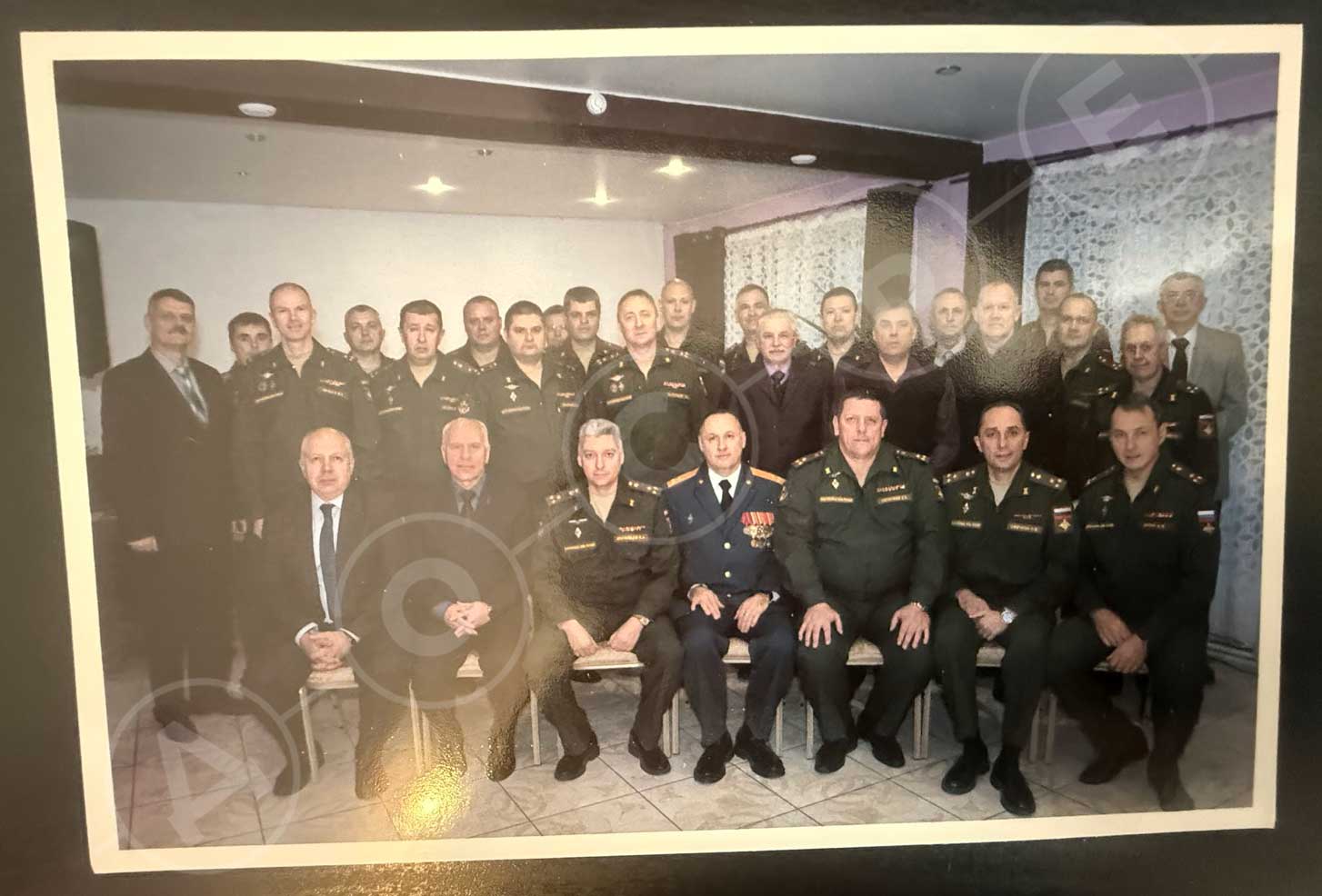
Senior staff of the 33rd Institute at a gathering // Dossier Center
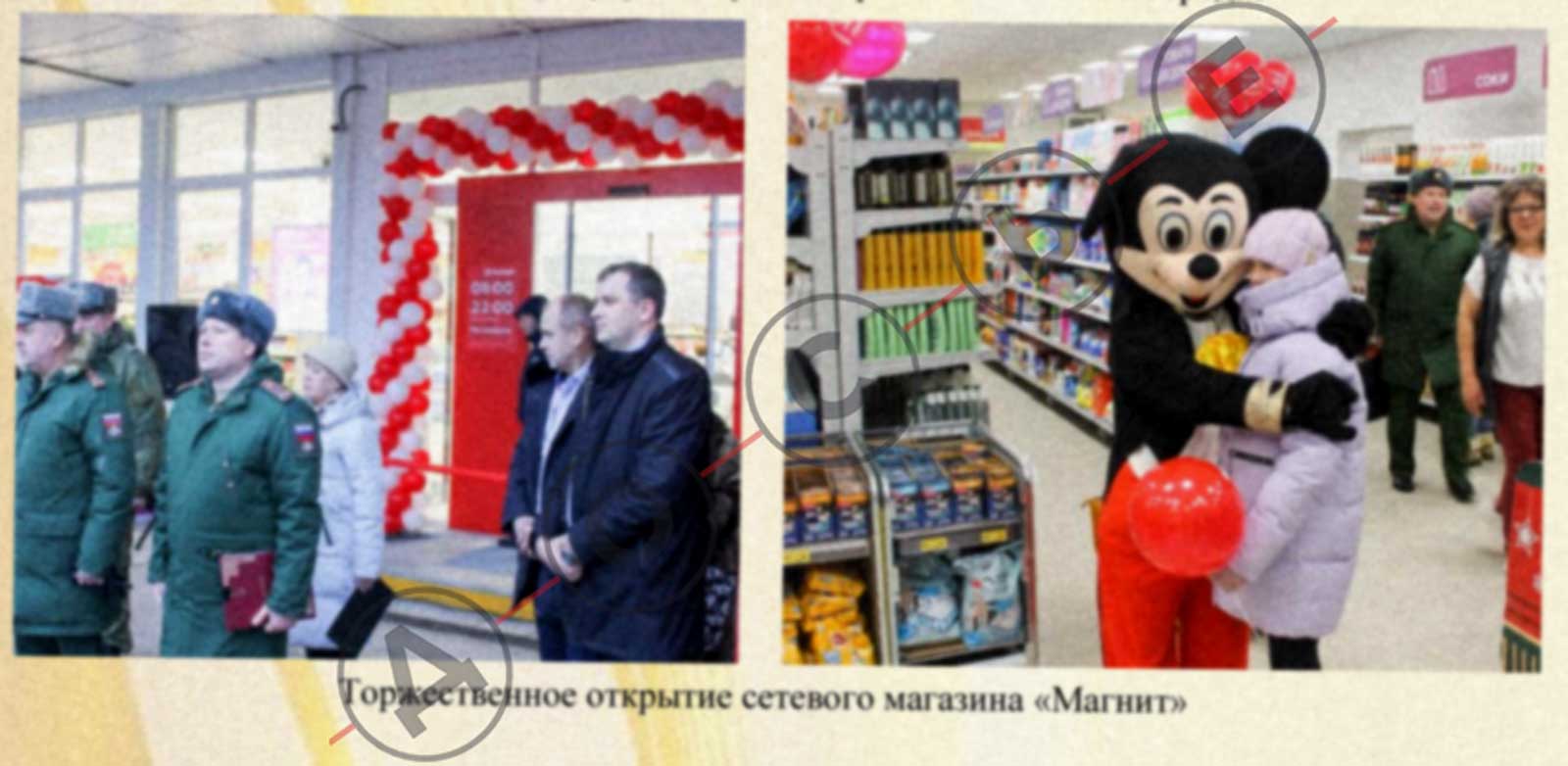
In addition to the hotel and laboratories where chemical weapons and special military equipment are produced, the town has a post office, a bakery, a supermarket — whose opening featured an enemy mascot Mickey Mouse — a bathhouse, an officers’ club, a kindergarten, and a music school, where, according to reviews, the roof was leaking and the heating was not working just a few years ago.
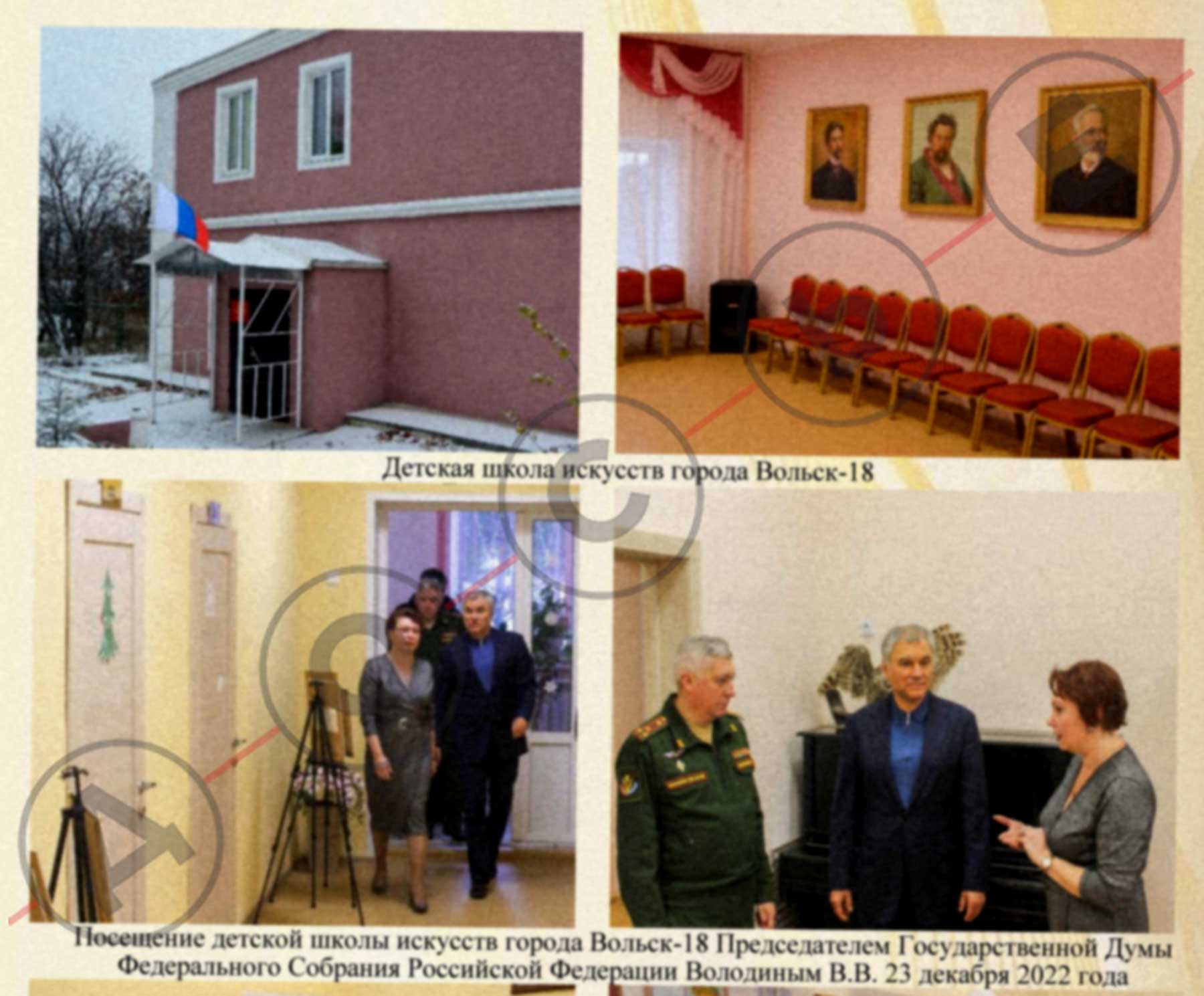
In recent years, however, infrastructure has been upgraded. The music school has been repurposed into an arts school under the patronage of Vyacheslav Volodin, a native of Saratov.
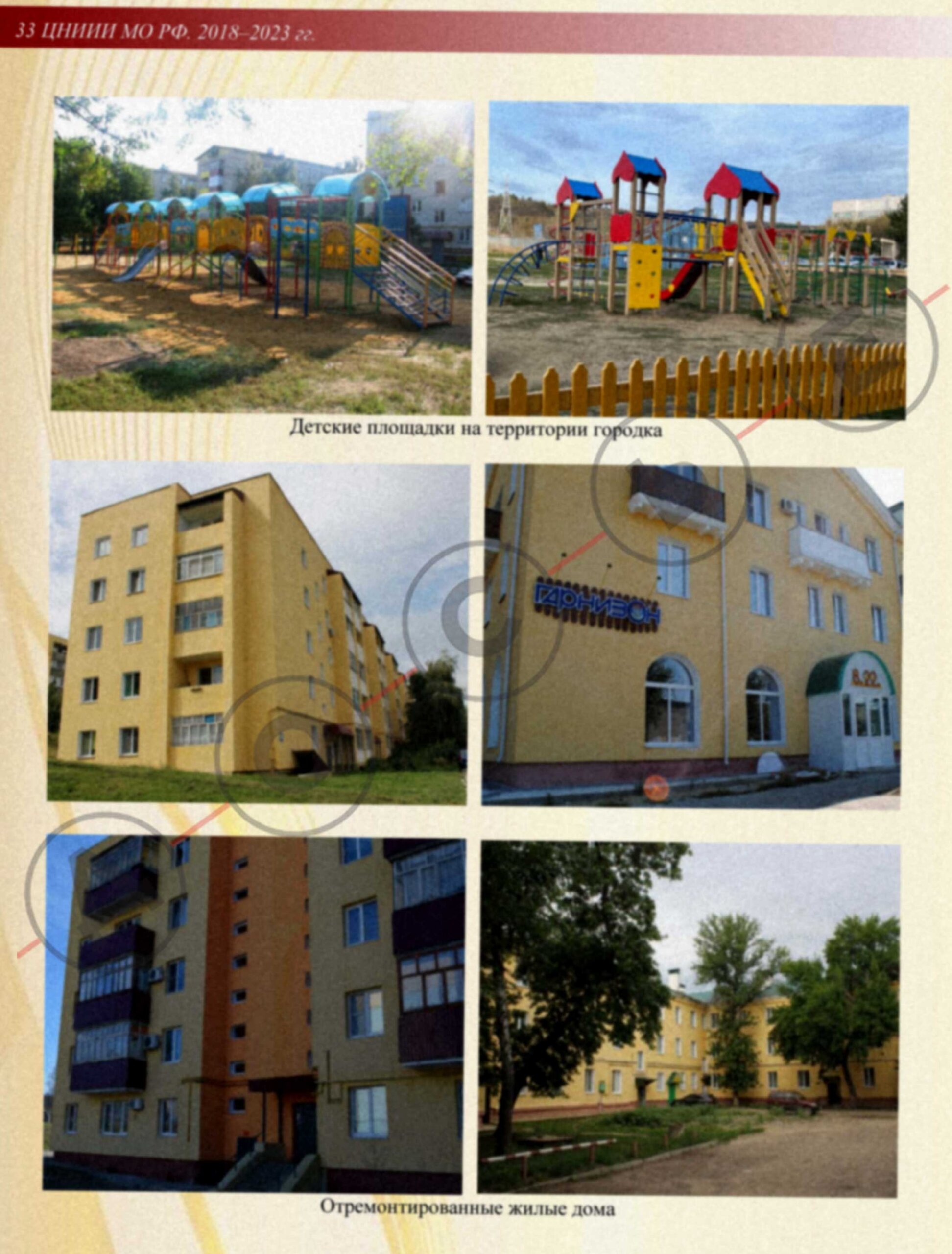
In 2023, the local military hospital was renovated and a new school building was constructed . Between 2018 and 2023, major repairs were carried out on Soviet-era residential buildings in Shikhany-2, including insulation of walls and replacement of water pipes. These large-scale budget investments indicate that the chemical weapons program has once again become important to the state.
Since 2018, the institute has been headed by Colonel Valery Inozemtsev. While his biography is not available online, it is described in the Institute’s internal profile available to Dossier. In 1998, he graduated from the Military Academy of Chemical Defense in Moscow, then worked at the 86th Central Design Bureau of the Ministry of Defense. Over the course of 10 years, Inozemtsev rose from engineer to head of the Design Bureau. In 2009, he moved to the command of the Chief of NBC Forces and later taught at the Military Academy of NBC Defense in Kostroma. According to documents reviewed by Dossier, Inozemtsev is also an enthusiast for public life — he oversees festive city lighting, organizes children’s New Year events, and together with the institute’s women’s council runs competitions in which employees’ children sculpt tanks out of snow.
Celebrations at the 33rd Institute // Dossier Center
Poisoning scandals have not impeded the institute’s operations. On the contrary, as administrative documents show, the volume of its production in monetary terms nearly doubled — from 76.4 million rubles in 2018 to 152.6 million rubles in 2020 (approximately $1.03 million to $2.06 million at the 2021 exchange rate). The 33rd Institute produces weapons and equipment for the army, including RCB reconnaissance vehicles, smoke grenades, and incendiary munitions used in the war in Ukraine. In particular, it develops various incendiary mixtures — metallized mixtures that burn hotter and more intensely, thickened ones (napalm), and thermite compositions capable of burning through metal and equipment at temperatures exceeding 2,000 degrees Celsius.
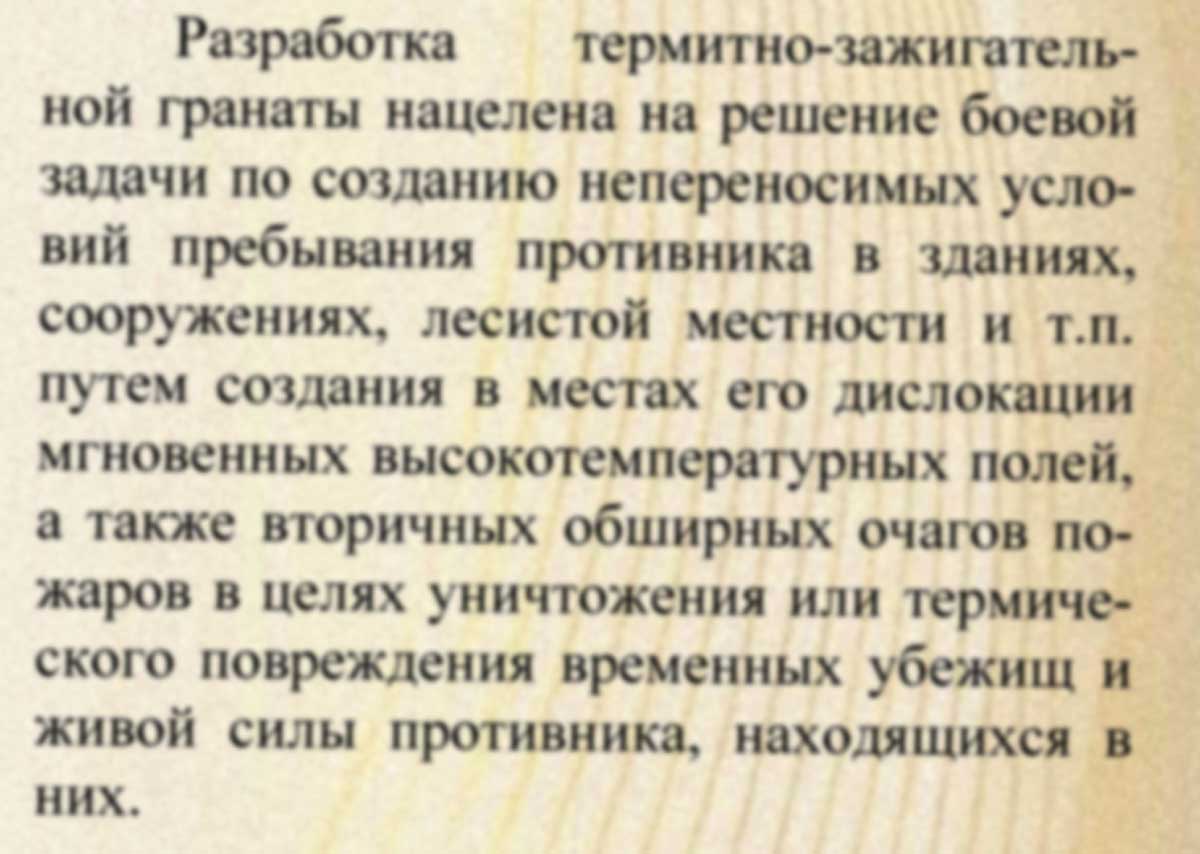
The journal also describes other developments: flamethrowers, cluster munitions prohibited by an international convention because unexploded ordnance poses a long-term threat to the local population. Russia has not acceded to it × , gas masks, and protective suits. Patents and research papers published by institute staff in specialized journals — primarily the Bulletin of RCB Protection — show that much of their work is indeed focused on defensive equipment, conventional weapons, and toxicological analysis of air, soil, and water.
However, the 33rd Institute also has secret projects not discussed in professional publications.
“You have a specific set of tasks. You don’t know what the person sitting next to you is working on,” one former employee of the GosNIIOKhT branch in Shikhany, which worked together with the 33rd Institute on Novichok, told the outlet Volga.MBK Media.
The 33rd Institute is actively developing chemical warfare agents and new methods of deploying them. In particular, together with the Applied Chemistry Research Institute in Sergiev Posad, it developed the RG-Vo grenade equipped with CS gas. This is an riot control agent that causes severe irritation of mucous membranes and skin and can lead to vomiting and loss of consciousness. Attacks using such grenades — whether dropped from drones or fired from grenade launchers — force Ukrainian soldiers out of cover and make them easy targets for artillery. The use of RCAs in combat is prohibited by the Chemical Weapons Convention, to prevent the normalization of chemical methods of warfare.
“Now, if you go back to the Vietnam War, This was a very big issue. The United States used defoliants, which is a separate problem, but it used RCAs. A whole bunch of them. Against Vietnamese soldiers. Now, why did we do that? We weren’t interested in just scaring them. We wanted them to jump up and run. Because then if you fire an artillery shell. You’ll get them.” Leitenberg explains.
Officially, Russia has denied using chemical agents in the war against Ukraine, insisting instead that Ukraine is the one using them. However, internal documents from the 33rd Institute directly identify the substance used to equip the grenades.
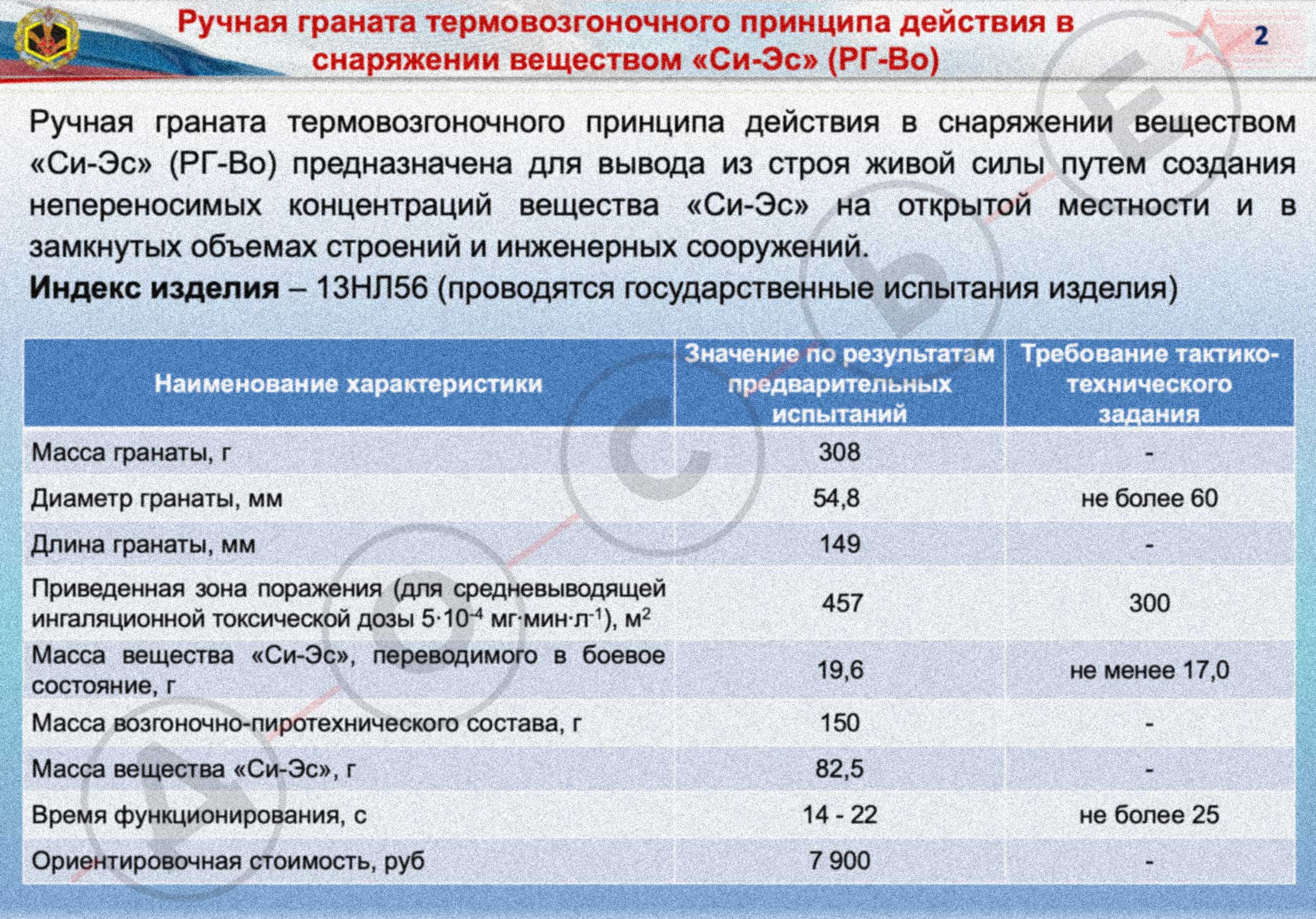
Apart from finding new ways to use existing toxic agents, the institute’s chemists are also searching for new compounds.
“Already when attempting to weigh out a sample of this substance, it caused uncontrollable sneezing lasting about 15 minutes, acute burning of the tongue and nasal mucosa, severe itching and redness of the skin on the hands. At the same time, there was no visible dust during weighing, and the weighing itself was carried out under a hood. The irritant effect was not completely relieved by washing hands, treating the skin with alcohol, and repeated washing. Tearing was also observed, though it was less pronounced. I have repeatedly worked with irritants such as bromoacetophenone, bromomethylnaphthalenes, benzyl bromide and its derivatives, but none of them could compare to this product in its effect. My colleagues in the same laboratory, 5–7 meters away from the weighing site, also experienced its irritating effect.”
This is an account from a chemist at the Federal Medical-Biological Agency, which in Russia is responsible for medical support for workers in hazardous industries and for biological safety. He was not describing the substance as a warning, but recommending it for combat use. A detailed document with the formula and synthesis description of the compound was obtained by Dossier.
“Unlike similar non-lethal agents (bromoacetophenone, bromobenzyl cyanide, or benzyl iodide), this compound, being a hydrochloride, is sufficiently soluble in water, which means it can be used not only as an aerosol but also as a liquid for water cannons, and so on. I also assume that the corresponding bromine (or even iodine) analogue of this substance — REDACTED — will have a much more pronounced irritant effect on the respiratory organs and mucous membranes.”
“I always refused to use any Soviet-made instruments,” recalls Vil Mirzayanov, a former GosNIIOKhT employee who exposed the Novichok program in the 1990s. “They even reproached me for this, but I said it plainly: if you don’t give me foreign currency to buy equipment, I can’t guarantee anything. In the end, they allocated the funds, and we bought everything abroad. In essence, the same thing is happening now.”

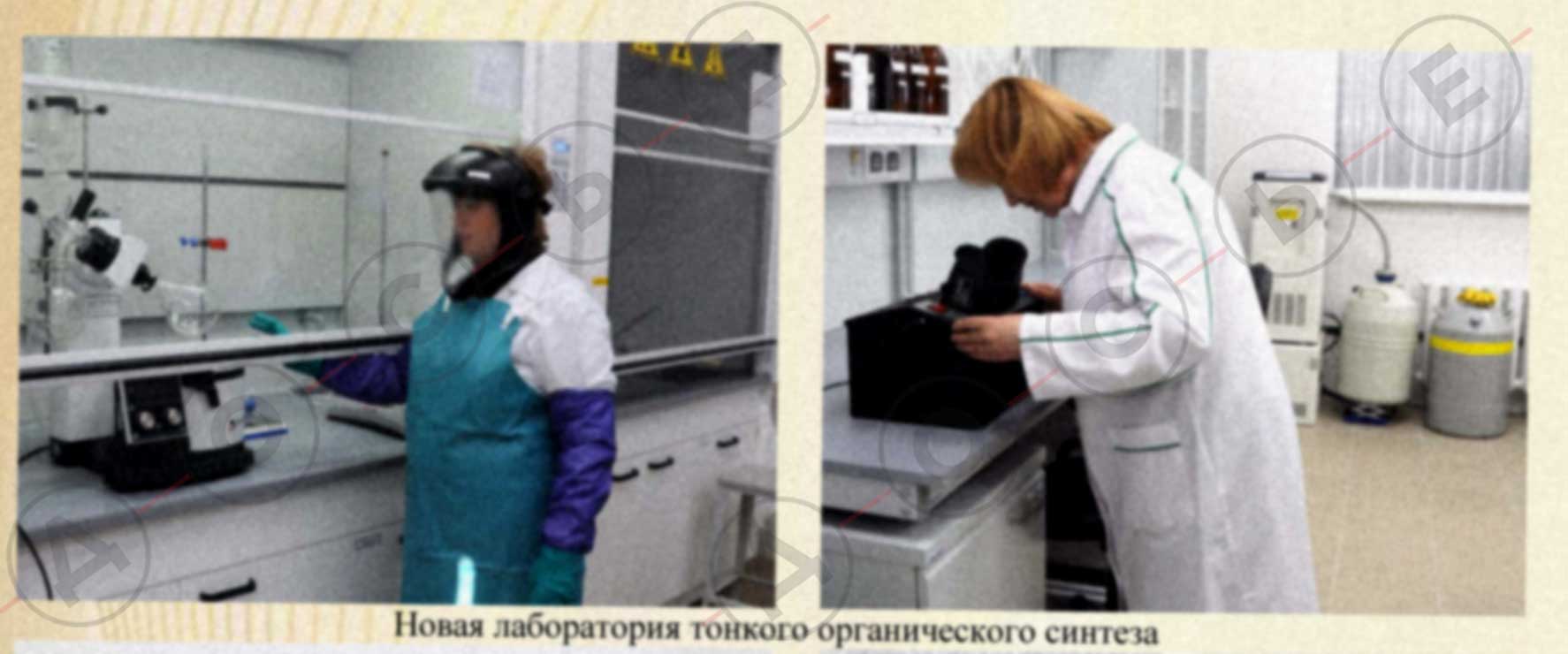
Following the 2018–2023 modernization, the 33rd Institute is conducting its research in newly renovated laboratories equipped with state-of-the-art Western equipment.
The main focus of the work was on Building 19 of the institute, where eleven laboratories were renovated at a cost of at least 232 million rubles (approximately $3.1 million at the 2021 exchange rate).
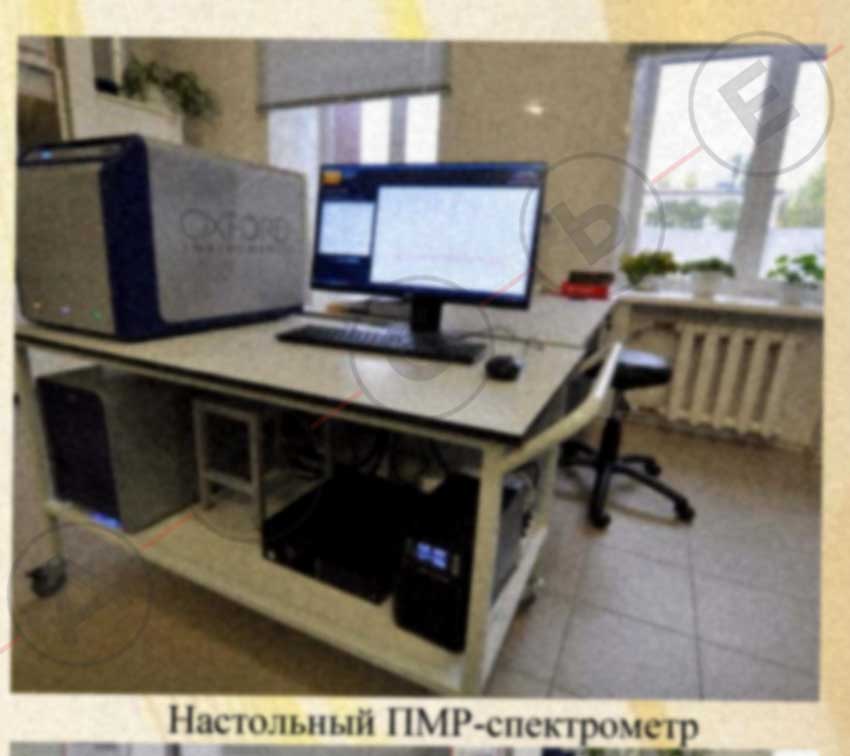
As noted in the institute’s anniversary publication, most of the equipment — including foreign-made devices — was purchased primarily in 2021–2022, that is, after several high-profile poisonings. The laboratories feature modern equipment from companies such as Oxford Instruments (UK), QOneTec (Switzerland), 3ntr (Italy), and the German firms KNF and Heidolph Hei.
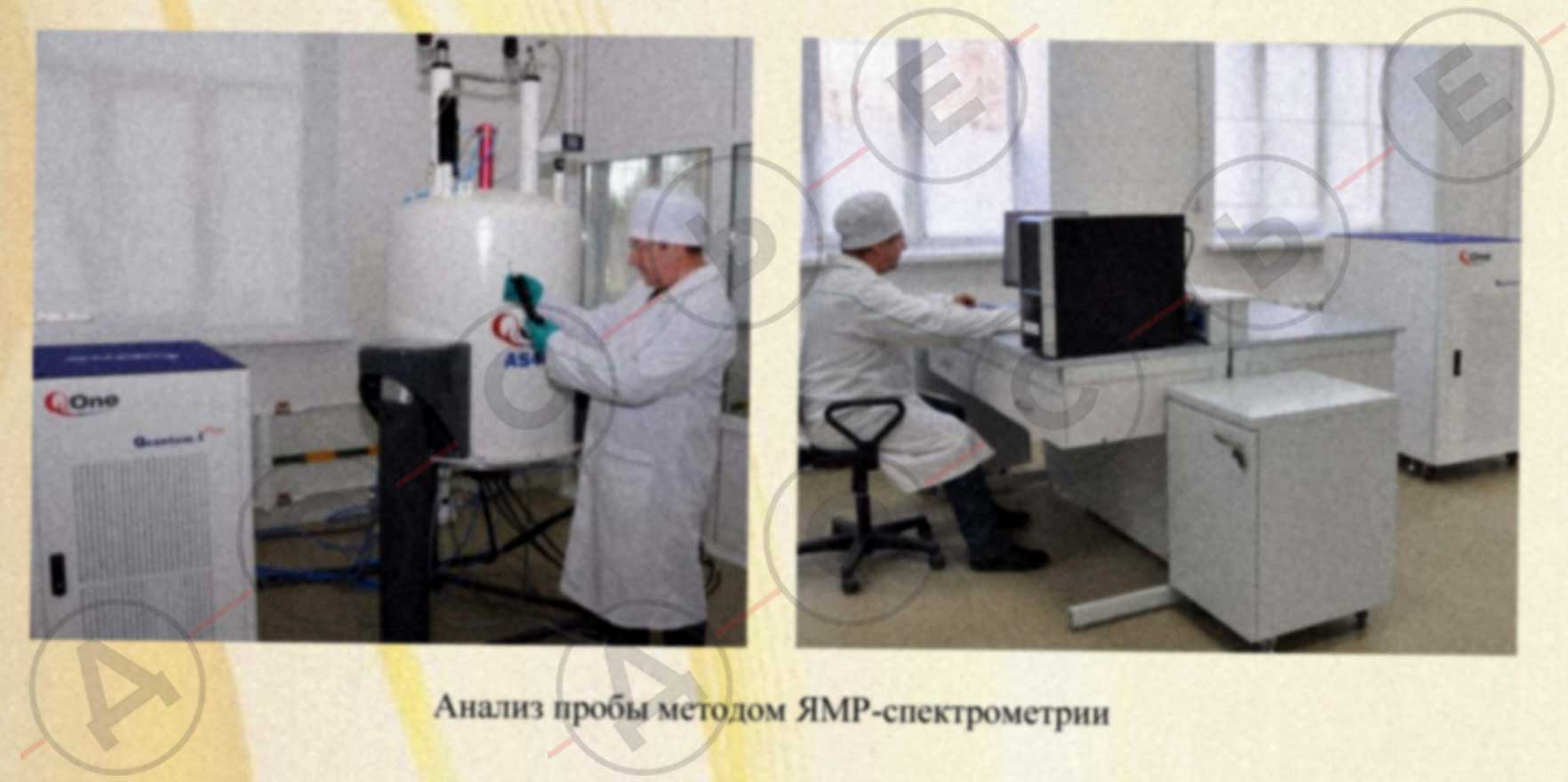
High-field NMR spectrometers (400–600 MHz) and, most likely, the Oxford Instruments X-Pulse 90 benchtop pulsed NMR spectrometer could have been subject to the export ban to Russia as dual-use goods, since they are analytical instruments. As can be seen from documents available to Dossier, they were purchased through the Russian company SBS LLC. A firm with the same name fell under U.S. sanctions in 2024 for supplying goods to the 48th Central Research Institute. At that time, the company’s website stopped being updated.
The publication does not specify exactly where the equipment is installed, but other documents and plans show that most of it is located in a single laboratory occupying a floor of Building 19. It includes units for synthesis of components, preparation and integration of a substance labeled “МТХ” into prototypes, analytical and physicochemical evaluation, testing of operational and field characteristics, and a separate toxicology unit with an inhalation chamber for animal experiments.
Vil Mirzayanov suggests that the abbreviation МТХ may refer to methylthiophosphonate chloride — a compound from the class of organophosphorus substances, similar in properties to the nerve agent VX.
The list of equipment described in one of the documents outlines a laboratory designed for the complete cycle of developing and refining chemical formulations. The synthesis unit includes heated stirrers, a KNF LABOPORT vacuum system, a diaphragm pump, a vacuum gauge, a LAUDA Puridest distiller, refrigeration equipment, and analytical balances. This is a standard setup for organic synthesis, vacuum distillation, and purification of substances, including volatile and sensitive compounds. Also included is an X-PULSE NMR spectrometer equipped for standard test tubes, which allows for the confirmation of the molecular structure of synthesized compounds, and a melting point determination system. In other words, this is not merely about storage or analysis, but about the production of new substances and the verification of their structure.
The MTX preparation unit is equipped with gas chromatographs featuring various detectors, including FPD and NPD, as well as a GC-MS system. The NPD detector is used for the selective analysis of compounds containing nitrogen and phosphorus, while the FPD is used to identify phosphorus- and sulfur-containing substances. This configuration is typical for working with organophosphorus compounds and monitoring their impurities. Combined with reactor synthesis and fine purification methods, the availability of such equipment indicates the technical capability to develop and study phosphorus-containing organic substances at a level that goes beyond conventional analytics.
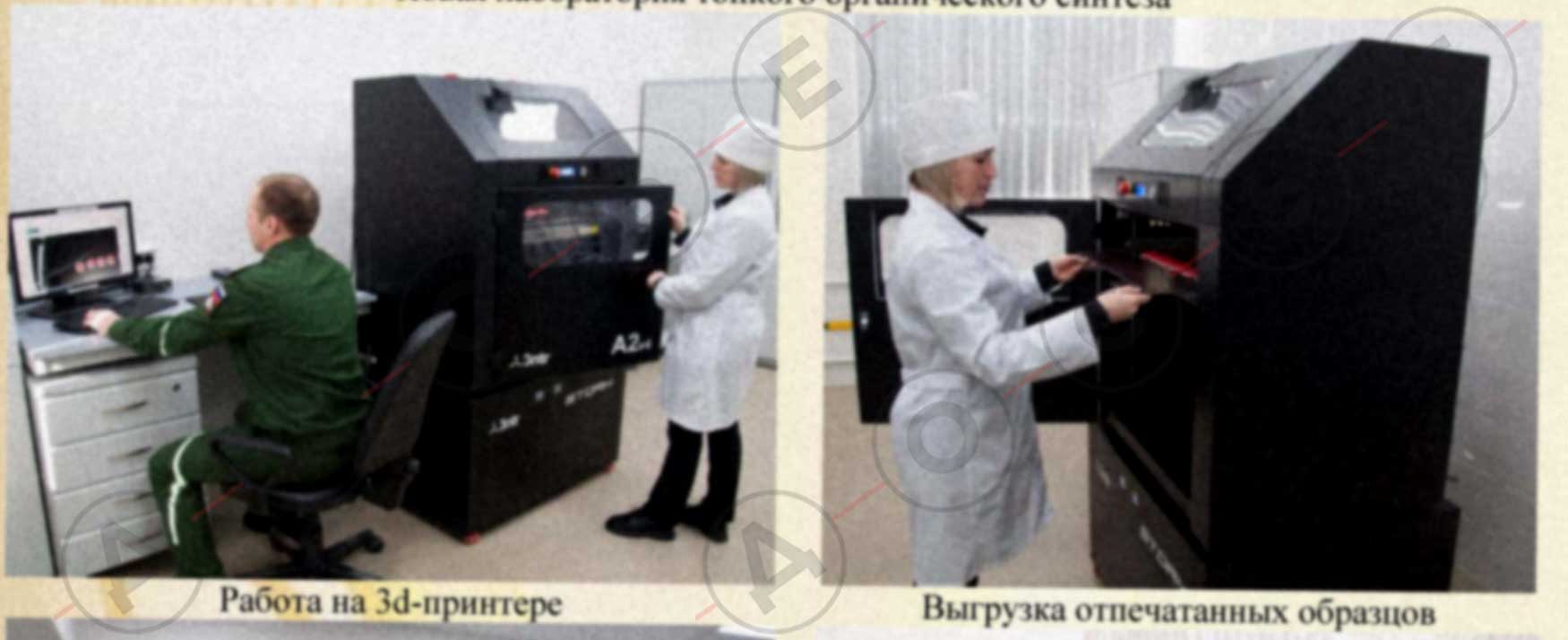
A separate section is dedicated to the production of prototypes using MTX and is equipped with a 3D scanner, a 3D printer, and a climate chamber. Additionally, there are sections for evaluating the spectral, physicochemical, and operational characteristics of samples, as well as a field module for testing outside the laboratory. Thanks to this, the resulting composition is not only analyzed but also integrated into specific products or models and tested under conditions that closely resemble practical application.
Of particular importance is the toxicology unit, which features an isolated area, a shower, and a ventilation system. It is equipped with an inhalation chamber capable of simultaneously exposing multiple animals, as well as a compartment containing cages. This infrastructure is used for controlled aerosol exposure and the assessment of toxic effects via the respiratory tract. Inhalation toxicology, combined with synthesis, analysis, and field testing, focuses on studying the harmful properties of a substance in forms typical of aerosol application.
The list of equipment alone does not identify specific substances; however, the combination of features reactor synthesis, structural confirmation, selective phosphorus chromatography, model production, field testing, and inhalation toxicology — corresponds to the research component of a program aimed at developing and testing highly toxic chemical agents.
The inhalation chamber located in the laboratory block is a domestically developed device intended for animal experiments. According to materials reviewed by Dossier, experiments there are conducted not only on laboratory rats but also, for example, on dogs. For instance, in 2015, the 33rd Central Scientific Research Testing Institute purchased at least 60 “mixed-breed dogs” and several hundred rats.
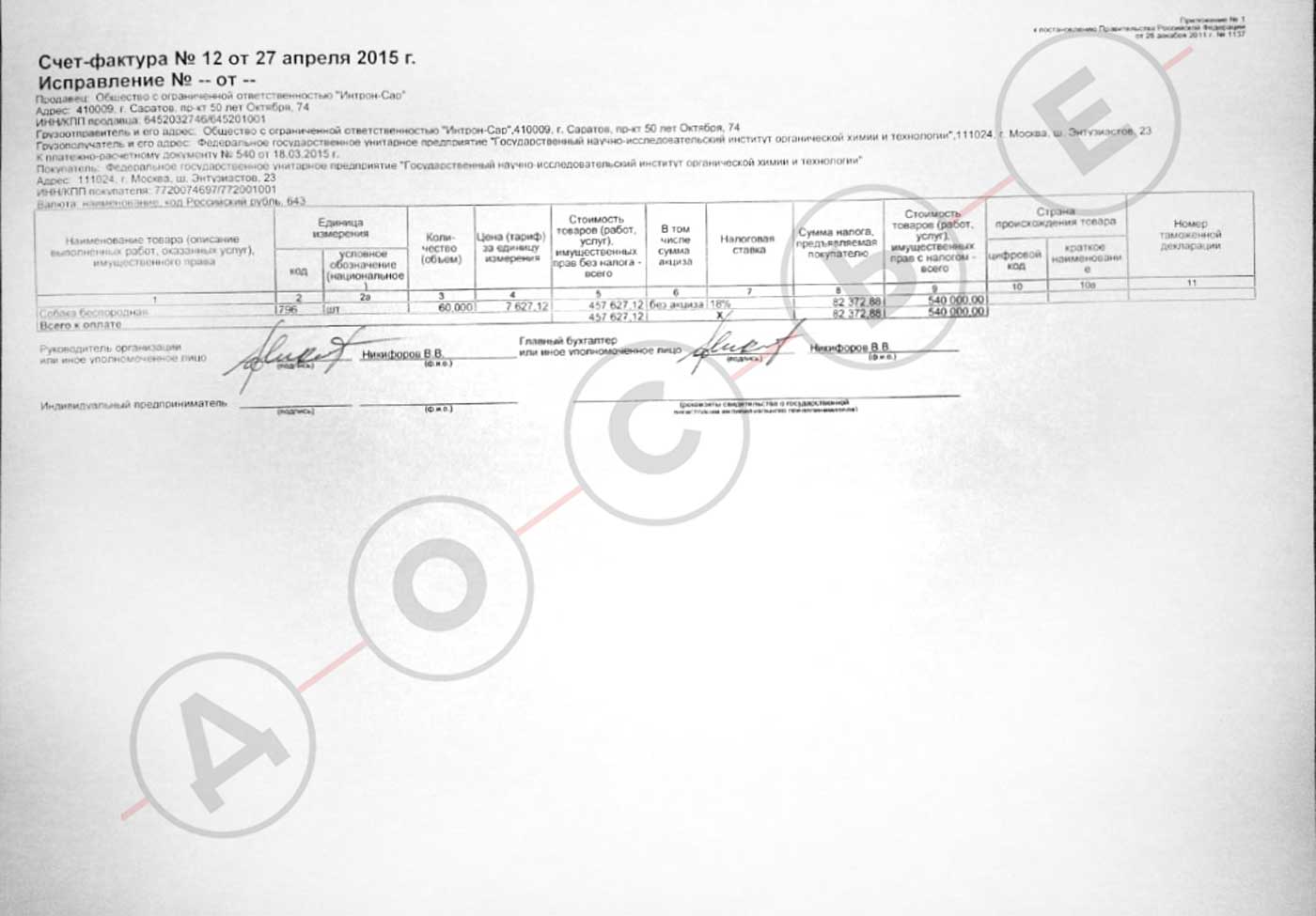
According to the technical documentation, a specialized system for assessing the toxic properties of new substances enables workers at the classified facility to more effectively “expose” animals. On one side, it features a chamber for aerosol spraying; on the other, a box with compartments for test subjects. It allows up to nine animals to be placed in the chamber simultaneously. As the inventors note, this ensures savings in experimental substances.
“An inhalation chamber is standard equipment for animal testing. Such chambers are used to assess the effectiveness of toxic substances. I can say this with certainty,” says Vil Mirzayanov, to whom Dossier showed the list of the equipment. “Animals in such facilities are not needed to test the decontamination or destruction of substances, but specifically to assess their lethal effects. This is how new toxic substances are tested. If a substance is already known, there is no need to test it again—it has already been verified. Such equipment is not used for civilian purposes. It is expensive: the chambers themselves, the care of the animals, and the entire infrastructure. Furthermore, precise analysis must be conducted constantly inside the chamber, which requires highly sensitive instruments—such as the ones you showed earlier. Therefore, I have no doubt: this equipment is intended for testing new toxic substances. They used to do this in Shikhany; in particular, such substances were tested there, and, apparently, this tradition has continued. And, of course, this is surprising—because it raises the question: why is this needed again?”
The same kind of inhalation chamber for mass exposure of animals also stands in the laboratories of the 27th Scientific Center in Moscow, Dossier has established. Today, the 27th Center is the Ministry of Defense’s main expert body on chemical and biological matters. Unlike the other institutions in the program, its specialists frequently appear in the media — mostly to make claims about Ukraine’s alleged use of chemical weapons. They do so from that newly built laboratory complex on Entuziastov Highway. But beyond analyzing samples, new substances may also be developed and tested there.
The 27th Scientific Center of the Ministry of Defense was established in 1974 as an analytical and expert brain center directly subordinate to the chief of the USSR’s chemical troops. Officially, it was created as a “response to NATO”: in the early 1970s, Moscow decided that the Soviet military needed its own structure that would deal systematically with military chemical security. In reality, the reason was different: at the height of the arms race, the Soviet leadership chose to focus on developing chemical weapons, which, unlike nuclear weapons, could be used tactically. It was in those same years that the secret program codenamed Foliant was launched, as part of which Soviet scientists synthesized the Novichok class of poisons.
The first team of the 27th Center was assembled from officers of the Chemical Forces’ Scientific and Technical Committees and specialists from the Military Academy of Chemical Defense. The Center was based in Moscow, on Frunzenskaya Embankment. In the late 1980s, its specialists took part in dealing with the aftermath of the Chernobyl nuclear disaster, and in the 1990s the Center became involved in the international chemical disarmament program. After the Soviet collapse, Moscow declared almost 40,000 tons of toxic agents: nerve agents such as sarin, soman, and VX, as well as mustard gas, lewisite, and phosgene. Russia undertook to destroy that entire arsenal. Staff of the 27th Center helped develop Russia’s program for destroying chemical weapon stockpiles and organized the first displays of the Soviet chemical arsenal to foreign inspectors in Shikhany.
By the 2000s, the 27th Scientific Center had fallen into a dismal state. The authorities quite literally did not know what to do with it. From the late 1990s onward, it operated an accredited laboratory of the Organisation for the Prohibition of Chemical Weapons, which allowed the Russian side to take part regularly in inter-laboratory testing, receive control samples, and be involved in analyzing samples collected by OPCW inspections. Yet despite promises to destroy chemical and biological weapons, the authorities, apparently, never made a final decision to shut the program down. The expertise, chemical and biological research capabilities, and weapon prototypes accumulated during the Soviet era were maintained but not significantly developed.
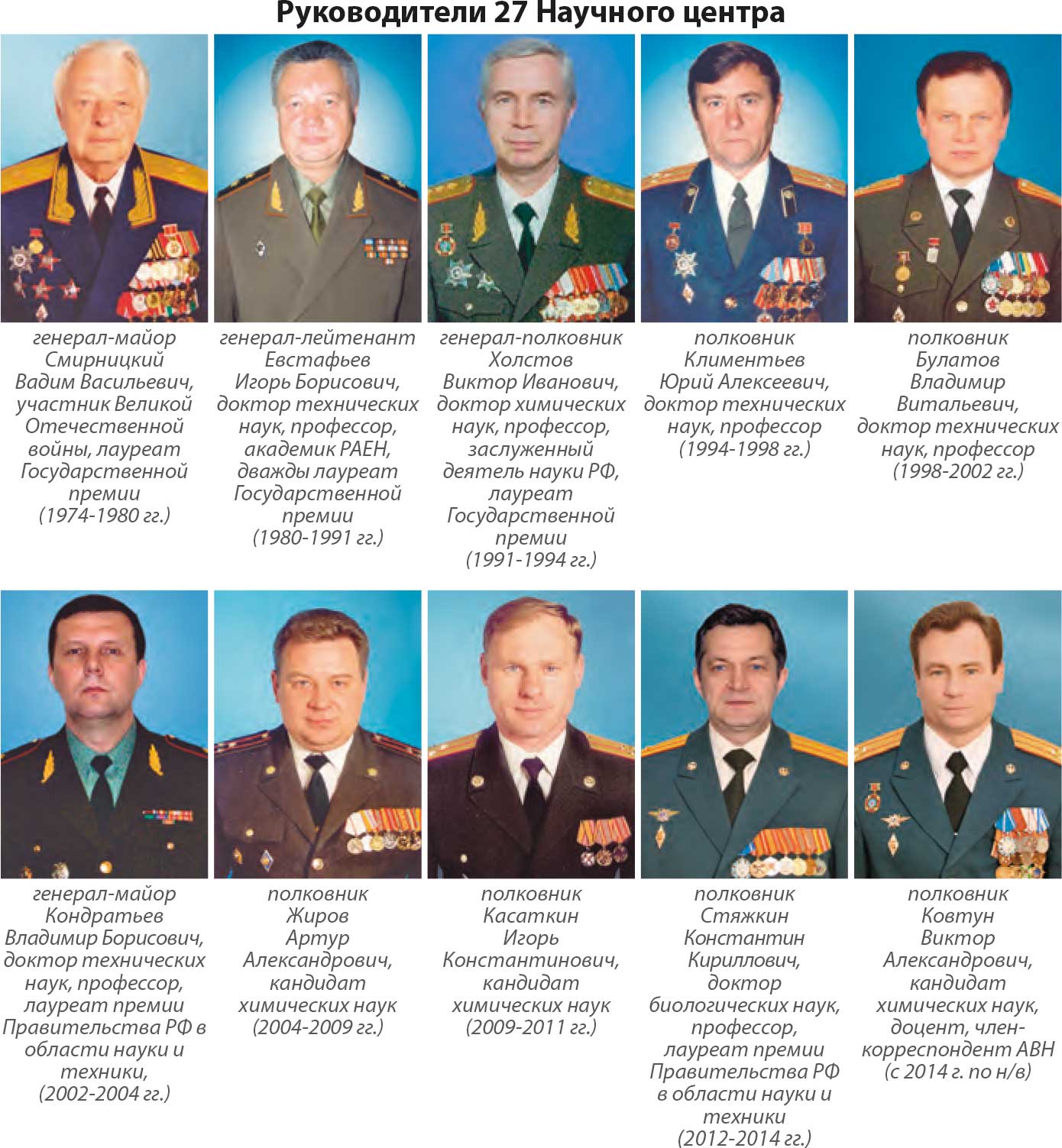
In 2006, virtually the entire staff of the 27th Center moved to Kostroma, following the Marshal Timoshenko Military Academy of Chemical Defense, which had been relocated there from Moscow — in part to limit “the negative moral and psychological impact of an overcrowded metropolis on the educational process.” Is noted in a departmental publication × The Scientific Center’s personnel had to be recruited almost from scratch. In 2010, as part of Anatoly Serdyukov’s military reforms, the Center was folded into the structure of the 33rd Institute in Shikhany. But just a couple of years later, a shift occurred in Russian politics: Vladimir Putin had finally decided to seek a third term and challenge the West. Chemical and biological weapons were also destined to play a role. In 2014, the 27th Center once again became a separate institution. Still, as staff members say, at that time it stayed afloat only thanks to its head, Viktor Kovtun. By the end of the decade, however, everything had changed.
Among other materials, Dossier has a list of equipment purchased for one of the 27th Scientific Center’s laboratories during the renovation of the early 2020s. Judging from that inventory, the laboratory is carrying out full-cycle research: a digital knowledge base in chemistry and toxicology, a line for obtaining and purifying new compounds, and a complete pathway for turning a substance into an aerosol and then testing its effects on the body.
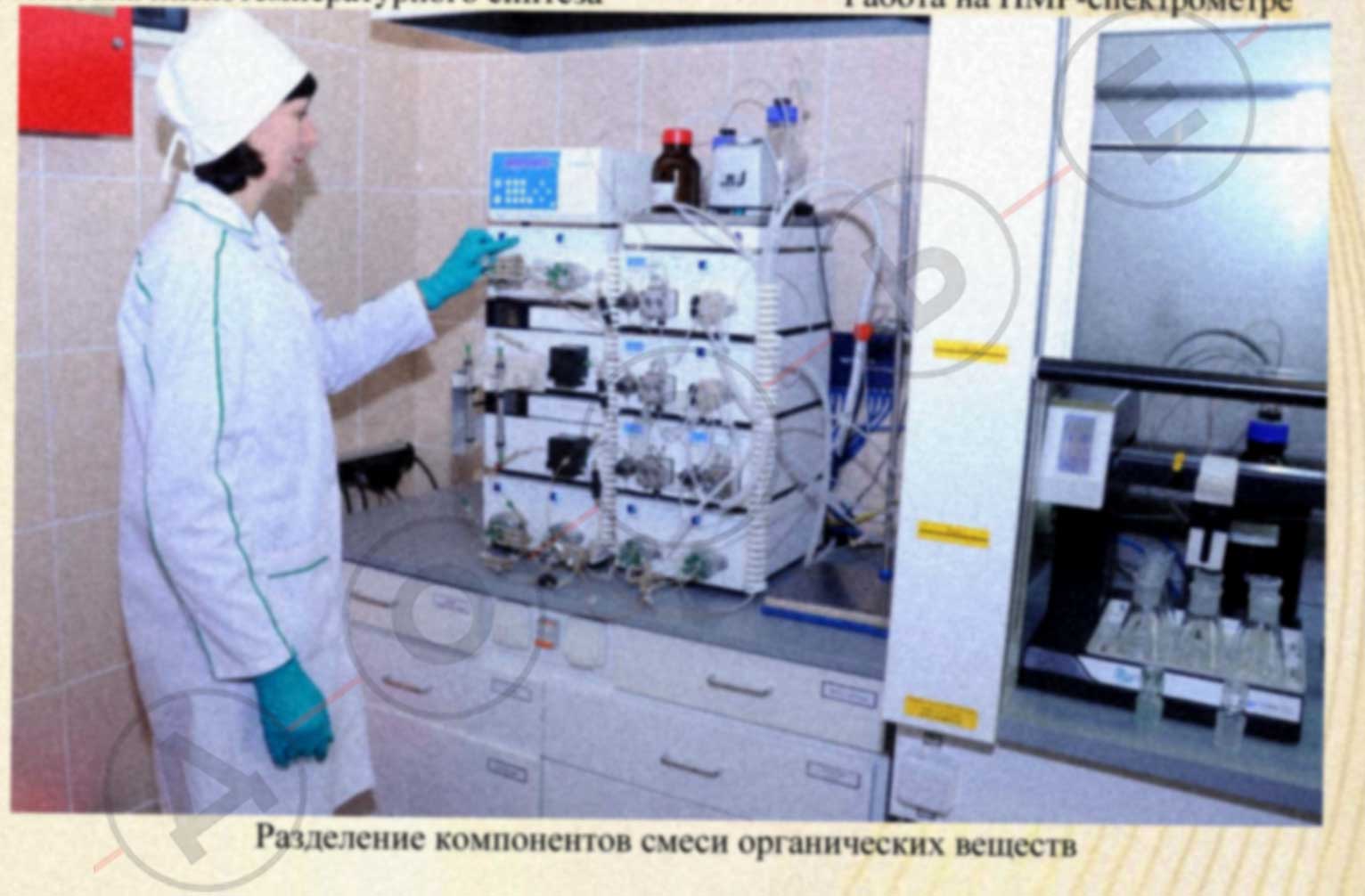
The synthesis and purification equipment shows that substances are being produced there as end products. Rotary and vacuum evaporators, a microwave synthesizer, a glove box, and preparative HPLC with column sets and column packing equipment enable the rapid synthesis of series of compounds and their isolation in high purity. Analytical equipment supports this capability: a 400 MHz NMR spectrometer for structural confirmation, LC-MS and a sensitive triple-quadrupole GC-MS/MS for detecting trace impurities, a CHNSOCl elemental analyzer, and thermal analysis for monitoring composition and stability × The most important thing is not so much any individual instrument as the combination of them. In essence, the laboratory can create substances made up of extremely fine particles, turn them into an aerosol — that is, a form suitable for dispersal — and study how they behave when inhaled. This process enables precise control over particle size and the dose that enters the body. In particular, the laboratory houses a Supercritical Anti-Solvent system, a jet mill, and a microfluidic system for producing micro- and nanoparticles and for encapsulation including into polymer matrices × . It also contains a set of aerosol generators and analyzers, Andersen cascade impactors, aspirators, filter holders, and inhalation chambers for generating aerosol, measuring particle distribution, and determining the actual dose reaching the respiratory tract. A spirometer and a large set of behavioral and physiological animal tests make it possible to record disturbances to breathing, the nervous system, and core bodily functions after exposure.
The use of encapsulation is particularly significant. In simple terms, the substance is packaged inside a shell — for example, a polymer shell. This makes it more stable and allows for control over how and where it is released in the body. Such substances are then tested on animals to see how they affect breathing, the nervous system, and overall health.
The selection of reagents is also telling: beyond the standard chemical base, it includes substances that make it possible to work with complex toxic compounds, as well as reagents for the precise analysis of even very small quantities of such substances Specialized reagents commonly used for derivatization and trace analysis in chromatography-mass spectrometry, as well as specific items subject to strict controls under toxic substances programs, including bis(2-chloroethyl) hydrochloride—a chemical fragment closely associated with the class of mustard-like compounds; its presence in procurement is an extremely sensitive indicator × .
Put together, all of this forms a complete cycle: from the development of the substance to its “packaging,” spraying, and testing of its effects when inhaled. In practice, such infrastructure could be used to develop toxic chemical agents.
“The goal of organic chemists in this field is to synthesize the most toxic substances possible,” Vil Mirzayanov explains. “But that creates a problem: the more toxic the substance, the heavier its molecule. The molecule becomes heavier, and such a substance becomes difficult to use as a gas or even to convert into an aerosol state suitable for battlefield use. Encapsulation and the other indicators suggest that they are trying not only to use the substances in pure form as aerosols, but also to apply them to solid nanoparticles — an adsorbent or inert carrier. Such particles can be easily dispersed, and toxic agents can be deposited on them.
“In that case, the substance “clings” to extremely fine aerosol particles that could, in principle, even penetrate gas mask protection. That means people can be affected more effectively — including those protected by filtering devices.
“It follows, then, that this involves research related to chemical weapons. This is because, in addition to standard chemical research, there is a focus here on the creation of micro- and nanoparticles that serve as carriers for toxic substances. These are aerosol delivery systems, and they point to more application-oriented research.
“Although, technically speaking, one could try to present this as defensive research, in practice such work has traditionally been carried out within military structures specifically as offensive development. There is no obvious defensive purpose here — which raises the question: what is all this for?”
In 2022 alone, more than 284 million rubles (approximately $3.8 million at the 2021 exchange rate) were spent on equipment and consumables for one of the laboratories at the 27th Center, many of them Western-made. The purchases were made through companies CJSC STC “SISTECH”; LLC “Rubicon”; LLC “Bioengineering”; LLC “Nabiteks Scientific”; LLC “SBS”; CJSC “SHAG”; LLC “Diaem”; LLC “Albedo PMP”; LLC “Corporation Intek”; LLC NPP “PNM”; LLC “Laboratory Systems”; LLC “Mosneiro”; LLC “CNTC ChemBioSecurity”; JSC “Research Institute of Computing Equipment”; LLC “Ostek-ArtTool”; LLC “Spectronika” × — some of which have since come under international sanctions, as has the 27th Center itself . Today, the Center’s staff are being forced to switch to Chinese, Russian, and Israeli equipment or to look for new ways around the restrictions.
Dossier Center contacted Western manufacturers whose equipment had been supplied to the 48th Central Research Institute, the 33rd Institute, and the 27th Center. The American company Parker Hannifin and the Swiss company BUCHI said they knew nothing about such sales. The German firm Elementar sent a detailed response saying that it had never worked with military institutes or the intermediaries known to us, but that before 2022 it had supplied equipment to industrial companies and scientific institutions in Russia, including the Russian Academy of Sciences. An Elementar representative added that after the start of the full-scale war in Ukraine, the company stopped all deliveries to Russia and ceased servicing previously delivered equipment, and expressed regret that its products were being used in military research. We did not receive any clear responses from the other manufacturers.
Update [April 1, 2026, 9:36 GMT+1]: A representative of Oxford Instruments told Dossier that, effective March 4, 2022, the company has banned all transactions with Russia.
“If Navalny had, say, drunk Novichok with tea at the airport, he wouldn’t even have made it to the plane,” says intensive care physician Alexander Polupan, who took part in treating Alexei Navalny after the poisoning. “When these substances enter the body orally or by inhalation, they act essentially within seconds. Transdermally, though — before it gets into the blood plasma and starts working, about an hour passes … It’s delayed action. I think it makes sense to apply Novichok to places where sweating is stronger: the groin folds, the armpits. Because it is applied in some crystallized form, and once sweating begins, it dissolves and transdermal penetration starts. That seems the most logical way for it to come into contact with parts of the body where perspiration is more pronounced.”
Synthesizing toxic agents and adapting them to specific conditions of use are two distinct tasks. The latter is assigned to the Signal Research Institute, says a Dossier source familiar with Russia’s chemical weapons program. On its website, the institute vaguely states that it works in the field of “technical and export control.” The main office of this unremarkable institute stands behind the gilded fence of a Ministry of Defense compound near Sokolniki Park. Signal staff featured in investigations into the poisonings of Skripal and Navalny.
Signal’s leadership — director Artur Zhirov and his deputy Andrei Antokhin — may have been familiar with Novichok since Soviet times. Their official biographies are not available online, but a Dossier source acquainted with Antokhin says that he studied at the Saratov Military School of Chemical Defense and, in the 1980s, served at a secret military unit near the city of Nukus in Uzbekistan. That was where a testing ground for the 33rd Institute was located, where the newest Soviet chemical weapons, including Novichok, were tested. After the Soviet collapse, Uzbekistan, with U.S. assistance, began destroying chemical weapon stockpiles, and most of the base personnel were transferred to Shikhany. Both Zhirov and Antokhin served there until the early 2000s as apparent from the patent database × .
In 2005 – 2006, they were sent to lead the 27th Scientific Center of the Ministry of Defense. At the time, the Marshal Timoshenko Military Academy of Radiation, Chemical, and Biological Defense, where many of the Center’s staff had worked, was moved from Moscow to Kostroma, and the Scientific Center’s personnel had to be recruited almost from scratch. Zhirov became the Center’s head, while Antokhin – his deputy. In 2010, during minister of defense Serdyukov’s reforms, the 27th Center was temporarily merged with the 33rd Institute. The personnel of the 27th Center who had been working on toxic agents were sent to the newly created Signal Institute, established by decree of Vladimir Putin, where they continued their life’s works.
Unlike their military colleagues, who at the time received low salaries and were forced to live in decaying military towns, Signal’s employees were doing rather well. Police records databases contain an entry from 2012 saying that intruders stole jewelry worth 300,000 rubles from Antokhin’s apartment near Baumanskaya metro station in Moscow — a substantial sum in the days when the dollar was trading for 30 rubles (approximately $9,500 at the 2012 exchange rate). Just a couple of years later, he and his family moved into a new residential complex near Tsaritsyno Park. His boss Zhirov built himself a two-story house in Kratovo, a settlement popular with the Soviet intelligentsia.
“It’s the fitness industry, everything to do with sports nutrition: vitamins, trace elements, proteins, and so on,” said Ruslan Boshirov, the failed poisoner also known as Anatoly Chepiga, in an interview with Margarita Simonyan.
. Selling supplements was not just the cover story under which GRU officers went to Britain to poison their former colleague Sergei Skripal. Nor was it so much a subtle hint for a select circle of insiders as a direct reference to Signal’s actual operations.
Signal really does deal in sports nutrition and dietary supplements — that is stated on its official website. The agency even has its own line of herbal teas, including, for example, a special blend for removing toxins from the body.
But Dossier established in the course of this investigation that its interest in the topic was likely not purely civilian: the Center’s staff studied ways to improve soldiers’ combat readiness, endurance, and physical performance. It is possible that, while Russia was not yet involved in major wars in which such developments could be tested, the institute’s staff were testing them on Russian Olympic athletes.
Several specialists from various Russian national teams regularly turned to Signal for medications, and the institute’s leaders, Artur Zhirov and Andrei Antokhin, were often present at competitions and training camps.
More than that, both men appeared on the list of medical and biological personnel accredited to Russian national teams at the 2014 Sochi Olympics: Signal director Zhirov as part of the Operational Headquarters, and his deputy Antokhin as the doctors’ coordinator in the Mountain Cluster. Svetlana Stakhalskaya, a staff member at the Research Institute, is also mentioned repeatedly in documents related to Russian figure skaters. The most recent publicly available mention is in a list of candidates for national teams published by the Ministry of Sport, where she is listed as a team specialist in men’s and pairs skating, as well as ice dance.
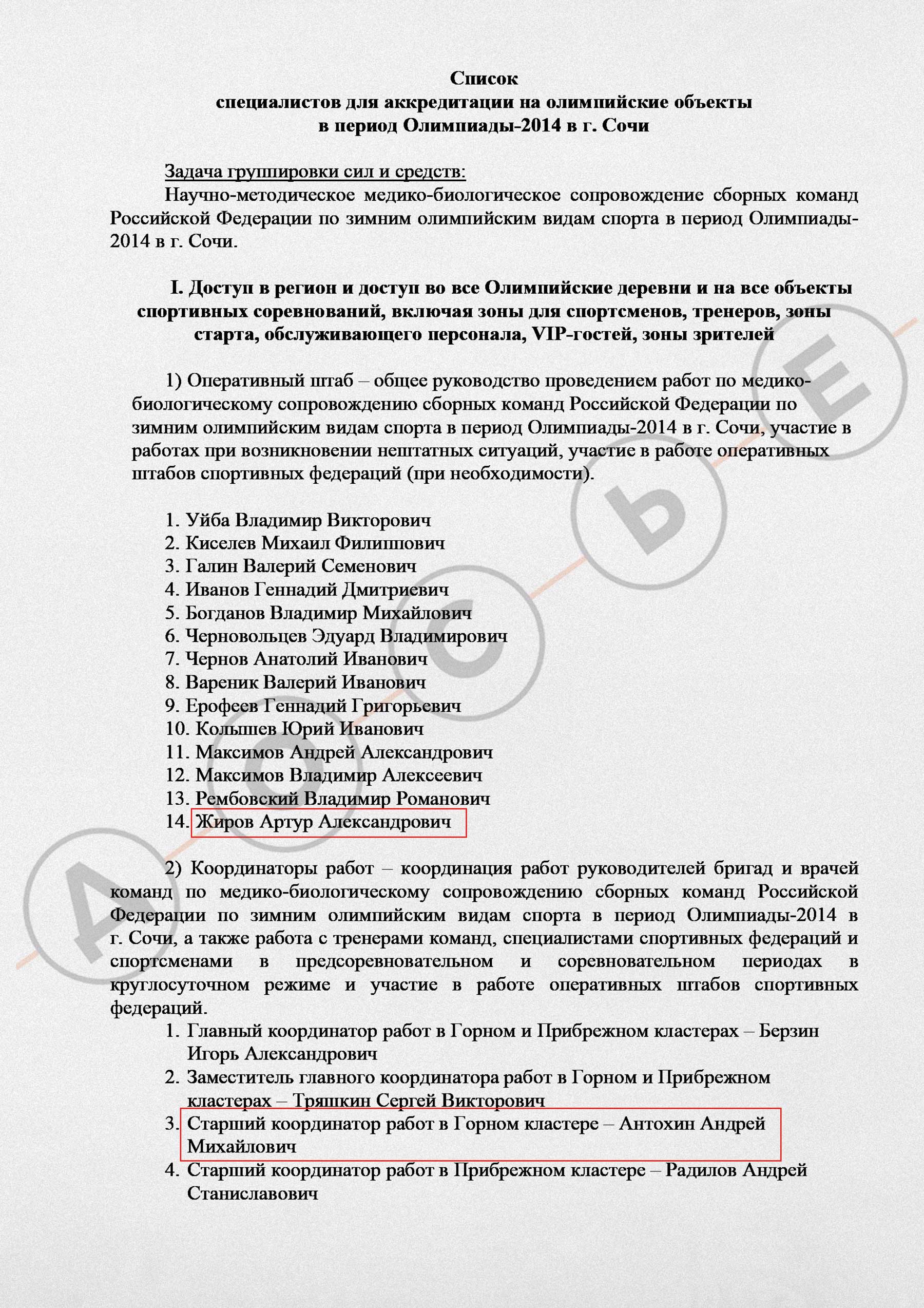
Stakhalskaya is listed as a representative of the Russian Figure Skating Federation, and her connection to the institute is not mentioned in the document, but database records show that she has officially worked at Signal since at least 2012 and remained on its staff as of 2025.
In the early 2010s, Signal specialists worked with several dozen Russian athletes and their medical teams, including the national cross-country skiing and speed skating teams, the women’s swimming and biathlon teams, and some figure skaters.
As can be seen from reports and treatment plans reviewed by Dossier, Signal specialists recommended to athletes both substances permitted under World Anti-Doping Agency rules and drugs later banned. In particular, it was on Signal’s recommendation that some athletes were prescribed meldonium, which WADA banned in 2016 and which later triggered a series of scandals involving Russian athletes. Among those who may have received it on the advice of Signal specialists between 2013 and 2015 were speed skater Viktor Ahn, biathletes Evgeny Garanichev, Dmitry Malyshko, and Anton Shipulin, skiers Nikita Kryukov, Natalia Matveeva, and Alexei Petukhov, figure skaters Adelina Sotnikova and Elizaveta Tuktamysheva, and bobsledders Alexey Negodaylo and Alexander Zubkov. The latter was disqualified at the 2014 Sochi Olympics for using other banned substances. In addition, in 2013 – 2014, Signal specialists recommended the anti-hypoxant Preductal, banned in 2014, to speed skaters Ekaterina Shikhova and Ivan Skobrev. The most notorious scandal involving that drug was the disqualification of figure skater Kamila Valieva in 2022. In 2017, the International Olympic Committee temporarily annulled Skobrev’s results from the Sochi Olympics as part of the doping investigation into the Russian team, without naming specific prohibited substances, but a few months later the Court of Arbitration for Sport overturned the decision, finding insufficient evidence.
In all likelihood, it was the medical staff of the national teams or specialists from the Federal Medical-Biological Agency — rather than the athletes themselves — who were in contact with Signal employees, and Signal’s involvement in poisonings was not widely known at the time. Still, photographs of Antokhin with Olympians show that he knew at least some of them personally.

Antokhin’s office is decorated with pennants from the 33rd Institute in Shikhany and the 27th Scientific Center of the Ministry of Defense, as well as a photograph autographed by figure skater Evgenia Medvedeva — judging by the costume, from her performance at the 2019 World Championships in Japan — with the inscription “To Andrei Mikhailovich.” Medvedeva is one of Russia’s best-known figure skaters, an Olympic silver medalist from Pyeongchang and a European and world champion. Before competing at the 2019 World Championships, she had been struggling with setbacks and injuries; she performed her free skate with a damaged thigh and afterward could not even put weight on her leg, but still managed to take bronze. She has never been accused of doping.
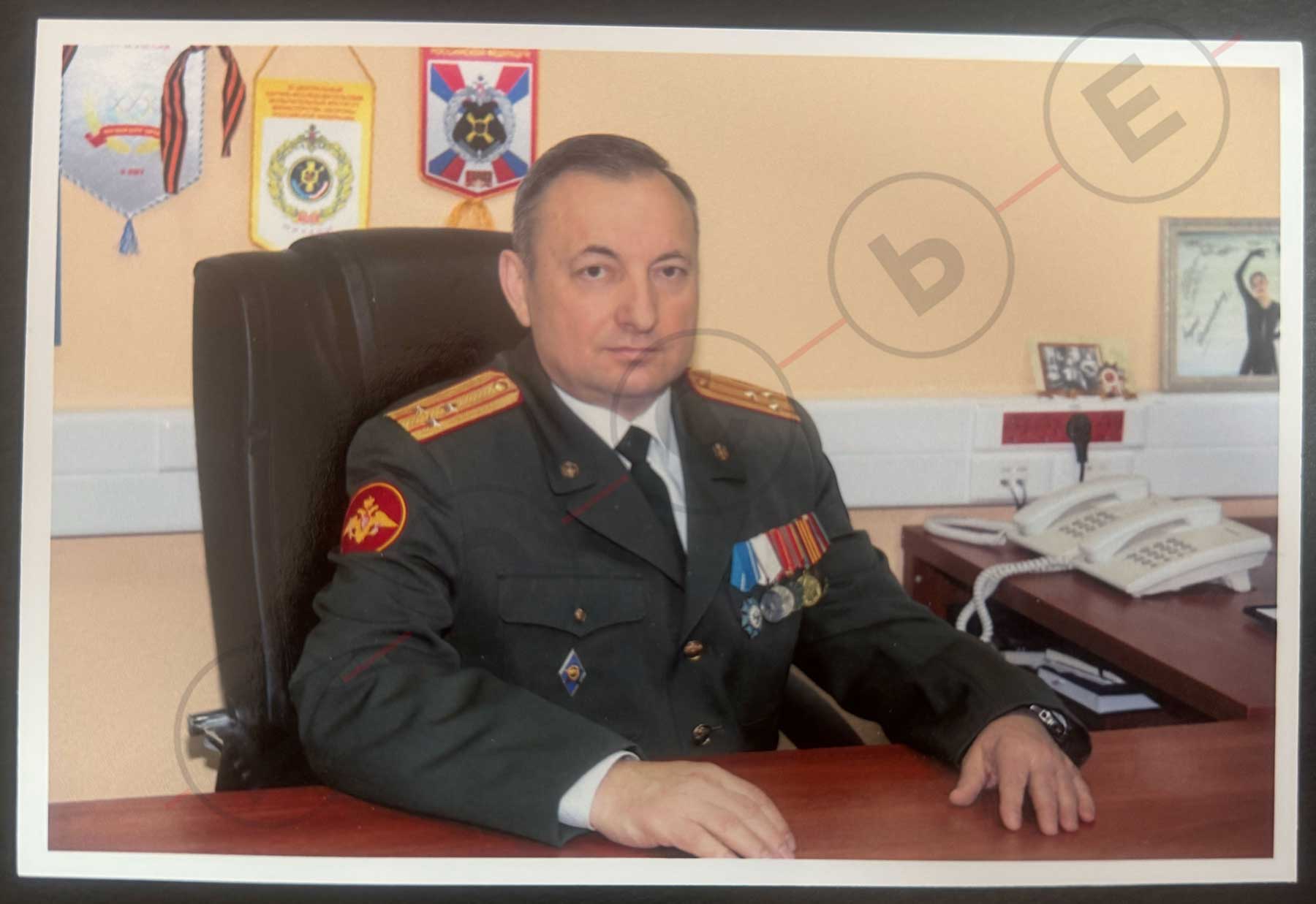
For Signal, pharmacological support of Russian athletes was a side activity that likely provided an opportunity to test various combinations of substances under conditions of extreme stress, according to documents in Dossier’s possession.
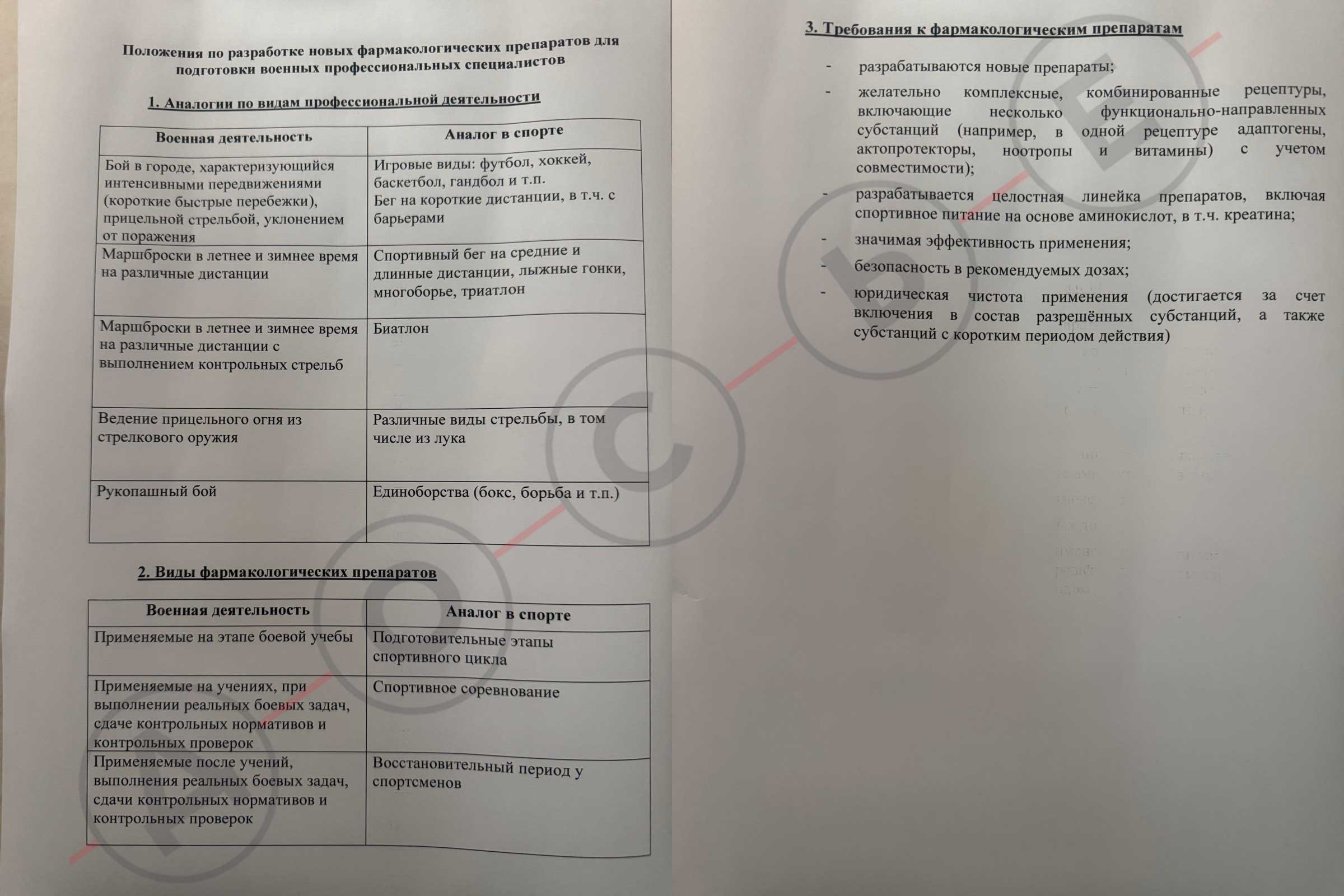
One of those documents explicitly proposes developing special preparations for the military using sport as a model, because many military tasks resemble different athletic disciplines in terms of physical load. Urban combat, with its short bursts of movement, shooting, and constant maneuvering, is compared to team sports such as football or hockey; forced marches to middle- and long-distance running, cross-country skiing, and triathlon; forced marches with shooting to biathlon; precision shooting to sport shooting; and hand-to-hand combat to martial arts. Under that logic, the preparations are to be used in the same way as in sport: some at the training stage, others during missions and assessments — like during competitions — and still others for recovery after exertion. The idea is to create new combination products that bring together several effects in a single formula, for example supporting endurance, concentration, and stress resistance alongside vitamins, and to develop an entire product line, including amino-acid nutrition. At the same time, the document stresses that such preparations must be noticeably effective, safe at the recommended doses, and legally “clean,” meaning composed either of substances permitted by WADA or of components with a short period of action.
“Tests on athletes could be useful for using stimulants in parallel with substances that accelerate their breakdown in the body,” Vil Mirzayanov suggests. “That is, a stimulant is administered, but at the same time another substance is used — a kind of catalyst — and because of that the stimulant quickly breaks down and does not remain in the body. The same principle can be applied to toxic agents: the substance enters the body, has its effect, and then quickly degrades so that it can no longer be detected. That is, of course, a very tempting approach. I understand why they might have wanted to do that.
“In Soviet times, there was nothing like this. But in recent years, methods for analyzing substances in athletes’ bodies have advanced dramatically, and against that background this idea emerges: to use a stimulant and at the same time ensure its rapid disappearance from the body through the catalytic action of another substance.
“As a result, the concentration falls to a level that modern equipment can no longer detect. And getting it down to that level — that is the whole task. As they say, an idiot’s dream.”
***
The scale of the work and the level of financing of these secret military institutes point to the conclusion that Russia’s chemical and biological programs are being pursued not only for defensive purposes but also for offensive ones, according to the experts Dossier spoke to. “If we are talking about defense, then in terms of countering nerve agents or choking agents, very little has changed over the last hundred years,” says former commander of a British CBRN defense battalion Hamish de Bretton-Gordon. “Overall, all of this looks disproportionate if the task is purely defensive — that is, the development of protective equipment and countermeasures.”
Как устроена российская программа химического и биологического оружия
Как воюет российская армия — на примере одного соединения
Как СВР взяла под контроль бывшую сеть Пригожина в Африке и кто теперь ее курирует
Как наследие Пригожина получило новую жизнь под кураторством СВР
На борту танкера российского «теневого флота» обнаружились «охранники», связанные с ЧВК Пригожина и ГРУ
Кто отвечает за ядерный чемоданчик Владимира Путина
Интервью сбежавшего капитана российской армии — об «обнулениях», вымогательстве и шашлыке в госпиталь за 30 тысяч рублей
В оккупированном городе отбирают квартиры даже у сторонников России — и передают силовикам
Чем занимался в России осужденный за шпионаж Пол Уилан
Как ФСБ готовила отравление Алексея Навального
Кто стоит за крупнейшей аферой со страхованием «теневого флота»
Как телефон бывшего зама Шойгу поставил под угрозу секреты Минобороны
В Европе запускают дроны над военными базами – вероятно, с гражданских судов, связанных с Россией
Как легко вывести деньги из России в ОАЭ: расследование Центра «Досье»
Интервью основателя телеграм-канала «ВЧК-ОГПУ» — об угрозах спецслужб, конфликте с Алишером Усмановым и истории канала
История самого близкого адъютанта Владимира Путина
Полный гид по саботажу ГРУ
Как предприятия оборонно-промышленного комплекса РФ продолжают работу в условиях санкций
Центр «Досье» узнал, кто такой Александр Безрукавый
Новые подробности работы беларусской диссидентки на ГРУ и Кремль
Как охраняют Владимира Путина
Who Protects Vladimir Putin
Как танкеры российского теневого флота ставят под угрозу Средиземное море
Как хоккей помог другу Путина войти в лидеры по экспорту СПГ
Как депутат Луговой делает криптобизнес с поставщиком армии НАТО
Как работает пригожинская пропаганда — на примере ЦАР
Новый проект влияния Кремля под кураторством Малофеева и Дугина
Что СКР изъял с места гибели Навального
Что связывает предвыборный штаб кандидата в президенты Румынии с Кремлем
Раскрываем секреты самой современной фабрики фейков под контролем администрации президента
Пропаганда, разработчики в России и вопросы к безопасности мессенджера
The Secret Lives of Vladimir Putin’s Sons
Как живут сыновья Владимира Путина
Маркетплейс вовлечен в параллельный импорт и получил поддержку на уровне зампреда правительства
Кто стоит за новой тактикой ГРУ в Европе
Как в АП планируют поставить культуру на службу войне
Центр «Досье» узнал, что известно об этом деле
Что известно о российских связях Жордана Барделлы, который может стать самым молодым премьер-министром Франции
Американские санкции не помешали лондонскому фонду заинтересоваться кредитом на российское оружие для Анголы
Портрет нового министра обороны
Как устроено российское влияние на Кипре
После ареста замминистра обороны Иванова главным застройщиком Мариуполя может стать связанная с Маратом Хуснуллиным компания
Арестованный друг Тимура Иванова занимался поселком генералов Минобороны
Мурманская элита скупила участки на норвежском горнолыжном курорте — прямо с видом на военную базу
Почему террористы могли ехать как в Украину, так и в Беларусь
«Вилаят Хорасан», подробности биографий подозреваемых и версии теракта
Как устроен «цифровой ГУЛАГ» в России — и что мешает ему заработать в полную силу
Как Вячеслав Кантор, сделавший состояние благодаря коррупции и дружбе с силовиками, пытается уйти от западных санкций
В деле миллиардера-педофила нашелся замминистра экономического развития, окончивший академию ФСБ
Сын Николая Патрушева справился с санкциями с помощью семьи норвежского посла
Почему главе РАН Геннадию Красникову есть что терять от международных санкций
История загадочной ЧВК, созданной бандитами под контролем ГРУ
Чем агент ГРУ занимался в Украине перед вторжением и как ведется психологическая война в «Телеграме»
Российский завод ядерного оружия продает изотопы в Швецию через компании, связанные с ГРУ
Как недавно попавшая под санкции за отмывание денег олигархов россиянка связана с семьей экс-главы Дагестана Рамазана Абдулатипова
Владимиру Путину приготовили яхту на замену арестованной «Шахерезаде»
Как российские рыболовные суда могут использоваться для диверсий и военной разведки
Засекреченные дипломаты в Бельгии
Адреса объектов спецслужб и ФСО нашлись в открытом доступе
Рассказываем, как устроена ЧВК «Конвой» и кто ее финансирует
Как доверенное лицо Геннадия Тимченко помогает другу Путина вести бизнес в обход санкций
Как владелец ЧВК «Вагнер» создал свою армию — и что будет делать после мятежа
Как оборудовали спецпоезд Владимира Путина
Чем шпион ГРУ занимался в Центральной Европе
Как «вагнеровцы» терроризируют ЦАР
Как зарабатывает на войне главный строитель Минобороны Тимур Иванов
Российские власти организовали акции протеста в Европе, чтобы поссорить Турцию, ЕС и Украину
В Кремле собираются вернуться за стол переговоров с Балтией через экологический шантаж
Планам мешает война в Украине
Оффшоры и активы семьи вице-премьера
Чем занимается фонд, связанный с дочерью пресс-секретаря президента России
История Дмитрия Уткина — человека, который подарил группе «Вагнера» название
Сколько стоил элитный отпуск Михаила Мишустина
Interview with the Federal Guard Service officer who worked with Putin and who fled Russia
Интервью офицера ФСО, который работал с Путиным и сбежал из России
Как друзья Владимира Путина контролируют одну из крупнейших нефтяных компаний России
Как устроена IT-инфраструктура «Вагнера», «Фабрики троллей» и «Конкорда»
Секретная стратегия администрации президента
— правда постепенно
Как работает служба безопасности Евгения Пригожина
Центр «Досье» выяснил имена головорезов из ЧВК, которые пытали, убили и расчленили сирийца в 2017 году
Расследование Центра «Досье»
Состав принадлежит компании, связанной с другом президента
Как главное цензурное ведомство мониторит интернет и строит ботоферму
Российский шпион на службе внешней разведки Германии
Как непубличный бизнесмен Мащицкий связан с арестом подчиненных Собчак
Как криптовалюта открывает пути за границу грязным деньгам из России
Что на самом деле думают сторонники войны
Из нее заплатили за яхту Graceful
Люди «повара» Путина занялись торговлей алмазами в ЦАР
Задержанные в Швеции россияне оказались частью сети ГРУ по обходу санкций 22 ноября 2022 года в Швеции задержали семейную пару россиян. На первый взгляд, они
Россия нашла канал поставки сырья в США в обход санкций
Кого из российских шпионов выгнали из Гааги
Друзья Владимира Путина заработали 32 млрд рублей на перепродаже акций «Согаза». Деньги пошли на покупку телеканалов для «Национальной медиа группы» Алины Кабаевой
Что кроме трактора подарили Владимиру Путину на 70-летие
Сразу несколько председателей ПАСЕ тайно общались с высланным за связи с ГРУ дипломатом
Строительство «яхты Путина» стоило почти 600 млн евро
Что может связывать Виктора Золотова, поставщика капусты для Росгвардии и красивых девушек с Сейшельскими островами
Центр «Досье» нашел одного из самых разыскиваемых преступников — в Москве и под другим именем
The inside story of how fugitive Wirecard COO Jan Marsalek fled from a 2 billion euro corruption saga in Germany and wound up living under state protection in Russia
Кого выгнали из российского представительства в ЕС за шпионаж
Высланные российские дипломаты оказались связаны со спецслужбами
Как Евгений Пригожин дарит подарки за Путина
Элитные участки под Петербургом десятилетиями продаются за бесценок, покупатели — чиновники и бюджетники
Жизнь, карьера и любовь балетмейстера Игоря Зеленского, нового избранника дочери Путина
Рассказываем о ее истории, окружении и их песнях
Центр «Досье» нашел предположительных мародеров, чьи посылки застряли на пути в Россию
Ультраправый интернационал
Как администрация президента готовит методички для публичных лиц и о чем в них пишут
Кто готовит методички для российских школьников и студентов и о чем в них пишут
Ультраправый кандидат для Франции
Мы узнали, как ее защита объясняла допинг в пробе
Кем были россияне, высланные из Брюсселя за шпионаж в НАТО
Кто такая Наталья Попова и почему ее друзья получают госконтракты и поддержку РФПИ
Как экзорцисты зарабатывают на изгнании джиннов из жителей Чечни
Какую выгоду получит от миграционного кризиса Кремль и кому грозят санкции
Итоги выборов в Госдуму
Как сотрудники Кремля нарушают коронавирусные ограничения
К миграционному кризису в Литве причастна белорусская госкомпания
Нестыковки в «террористической» версии белорусских властей